
Sustainable Materials: Eco-Friendly Choices for Your Home
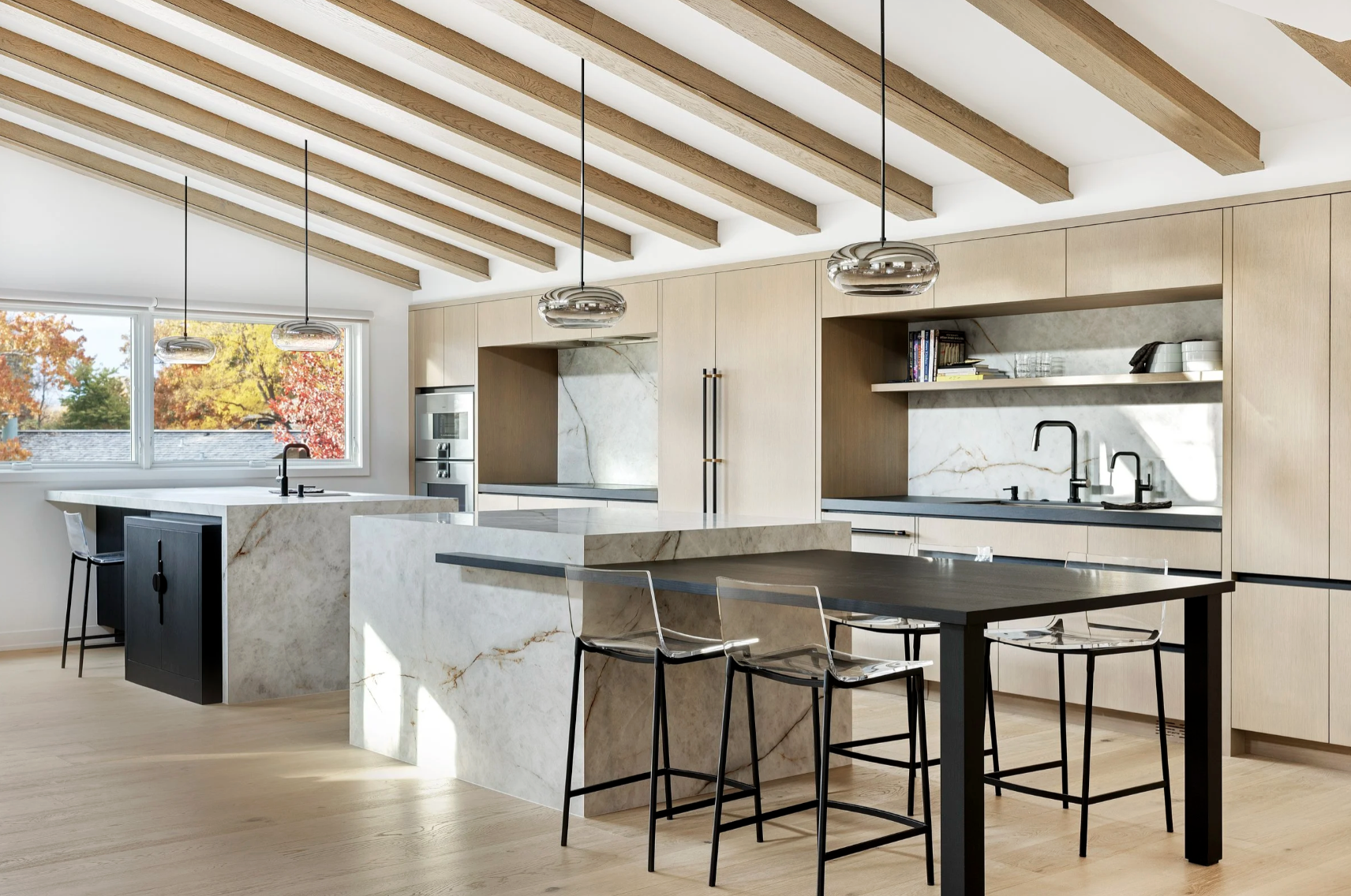
Sustainability in home design has shifted from a trend to an expectation. More homeowners are asking questions about where their materials come from, how they perform over time, and what impact they have on both their personal health and the environment. Sustainable materials are no longer limited to rustic or utilitarian aesthetics. Today's eco-friendly choices can be refined, timeless, and beautifully integrated into any design style.
At its core, sustainable design is about making informed decisions. Choosing materials that last longer, age well, and reduce environmental impact creates homes that feel intentional and enduring. When sustainability and design exist in perfect alignment, the finished result is a home that supports both the people who live in it and the world beyond its walls.
What Sustainable Materials Really Are
Sustainable materials are often misunderstood as products that simply look natural or organic. In reality, sustainability is about the full lifecycle of a given material. This includes how materials are sourced, manufactured, transported, installed, and eventually maintained or recycled.
In residential design, eco-friendly materials often prioritize durability, low toxicity, and responsible sourcing. Wood harvested from sustainable forests, stone quarried with minimal waste, and finishes with low chemical emissions all contribute to healthier living environments. These materials are chosen not just for their appearance but also for their performance and impact over time.
Longevity as a Sustainable Choice
One of the most overlooked aspects of sustainability is a material's longevity. Materials that wear out quickly or fall out of favor often end up being replaced long before their time. Choosing finishes that are durable and timeless reduces waste, not to mention the need for future renovations.
Natural stone, solid wood cabinetry, and high-quality metal fixtures are excellent examples of materials that age gracefully. Small variations and natural wear often add character to a piece rather than detracting from the design. By approaching daily wear and tear as a source of individuality, sustainability supports beauty by allowing materials to tell a story over time rather than focusing on aesthetic perfection.
Healthier Materials for Healthier Homes
Eco-friendly choices also play a major role in your home's indoor air quality and overall wellness. Many conventional building materials release volatile organic compounds, which can linger in a home long after installation. Sustainable materials often prioritize low or zero VOC content, creating healthier spaces for everyday living.
Paints, sealants, adhesives, and finishes with low emissions are especially important in tightly sealed modern homes. Flooring made from natural fibers, cabinetry with formaldehyde-free construction, and responsibly sourced insulation all contribute to a cleaner indoor environment. Sustainable materials support not only the planet, but they can also improve quality of life for people living within the space.
Wood and Natural Surfaces
Wood remains one of the most versatile and sustainable materials in home design when sourced responsibly. Hardwoods from managed forests and engineered wood products with efficient construction methods offer beauty and stability.
Using wood in flooring, cabinetry, wall paneling, or furniture adds a sense of warmth and texture to a home while supporting renewable resource practices. Finishes that allow the natural grain to show through often require less processing and age more gracefully, adding to the feel of a home curated over time. When paired with stone or ceramic surfaces, wood helps create balance throughout the home.
Stone, Tile, and Mineral-Based Materials
Stone and mineral-based materials are inherently durable, making them strong sustainable choices for any home. Natural stone surfaces like marble, limestone, and slate can last for generations when cared for properly, so their longevity offsets the energy required for extraction and fabrication.
Porcelain and ceramic tiles have also evolved significantly over time, offering long lifespans and minimal maintenance. Many manufacturers now prioritize responsible production practices and recyclable materials. These surfaces are especially effective in kitchens, bathrooms, and high-traffic areas where durability matters most.
Reclaimed and Recycled Materials
Reclaimed materials add sustainability and character to a space. Reclaimed wood beams, salvaged brick, or repurposed metal elements reduce demand for new resources while adding a touch of depth and history to a home.
Recycled materials have also expanded beyond utilitarian uses. Countertops made from recycled glass or composite materials and metals with recycled content offer refined finishes without sacrificing performance. When incorporated into a home, these materials feel intuitive rather than rustic, blending seamlessly into modern and contemporary interiors.
Textiles and Soft Finishes
Sustainability extends beyond hard surfaces into textiles and soft finishes. Natural fibers such as linen, wool, cotton, and hemp are renewable and biodegradable when produced responsibly. These materials often perform better at regulating temperature and moisture, enhancing comfort throughout the home.
Choosing upholstery and rugs with natural fibers and low chemical treatments supports both durability and indoor air quality. Thoughtful selection of textiles adds softness while aligning with sustainable design principles.
Thoughtful Manufacturing and Local Sourcing
Beyond the materials themselves, sustainability is also influenced by how and where products are made. Locally sourced materials reduce transportation emissions and help support regional craftsmanship. Products made in smaller batches by skilled artisans tend to emphasize quality over quantity.
When designers prioritize transparency in manufacturing and supply chains, homeowners gain confidence in their choices. Sustainable materials feel more meaningful when their origins and processes are understood.
Sustainability Without Sacrificing Design
One of the most common misconceptions is that sustainable materials limit design options, and that used to be the reality. In today's design field, eco-friendly choices offer a wide range of finishes, textures, and styles. From refined modern interiors to warm traditional spaces, sustainability adapts easily when approached thoughtfully.
The key is balance. Mixing durable natural materials with carefully selected manufactured products allows for flexibility without compromising values. Sustainable design is about being intentional with your choices, not restrictive.
Bringing It All Together
Sustainable materials help create homes that feel grounded, healthy, and timeless. By prioritizing longevity, wellness, and responsible sourcing, eco-friendly choices become an investment in both your quality of life and your impact on the environment.
When sustainability is woven into the design process right from the start, it feels intuitive rather than performative. The finished result is a home that reflects thoughtful decision-making, style that will never feel dated, and a deeper connection to the materials that shape your everyday life.
At Stockwell Homes, our team guides clients through thoughtful selections that balance beauty, performance, and environmental responsibility, creating homes that are designed to last. Does this sound good to you? Get in touch with us!