
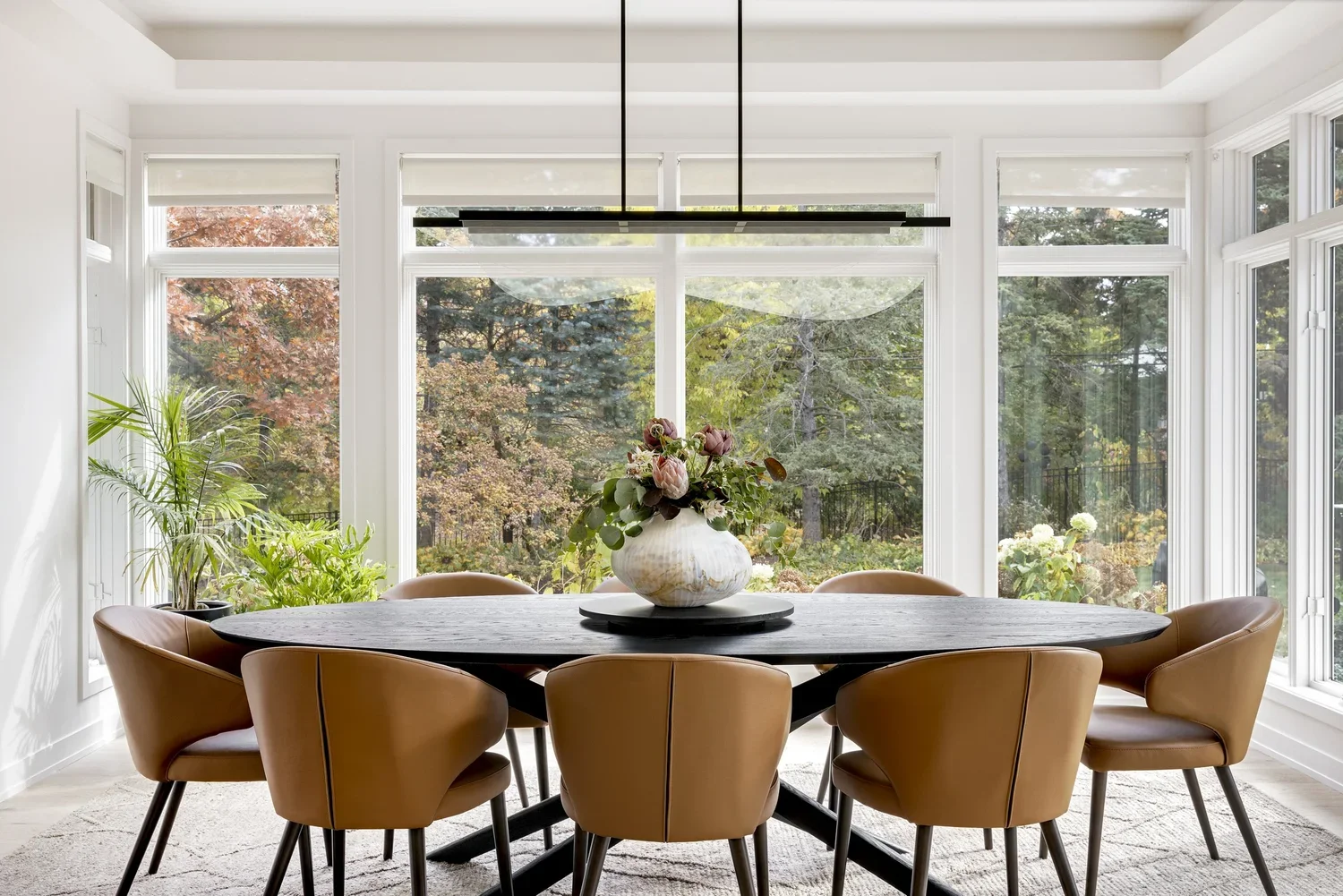
Bringing the Outdoors In: Biophilic Design at Home
There's a reason a room filled with natural light helps you breathe easier, and why fresh flowers on your dining table make a space feel more alive. We're drawn to the natural world in ways that go deeper than aesthetics, and biophilic design is the practice of honoring that connection within our homes.
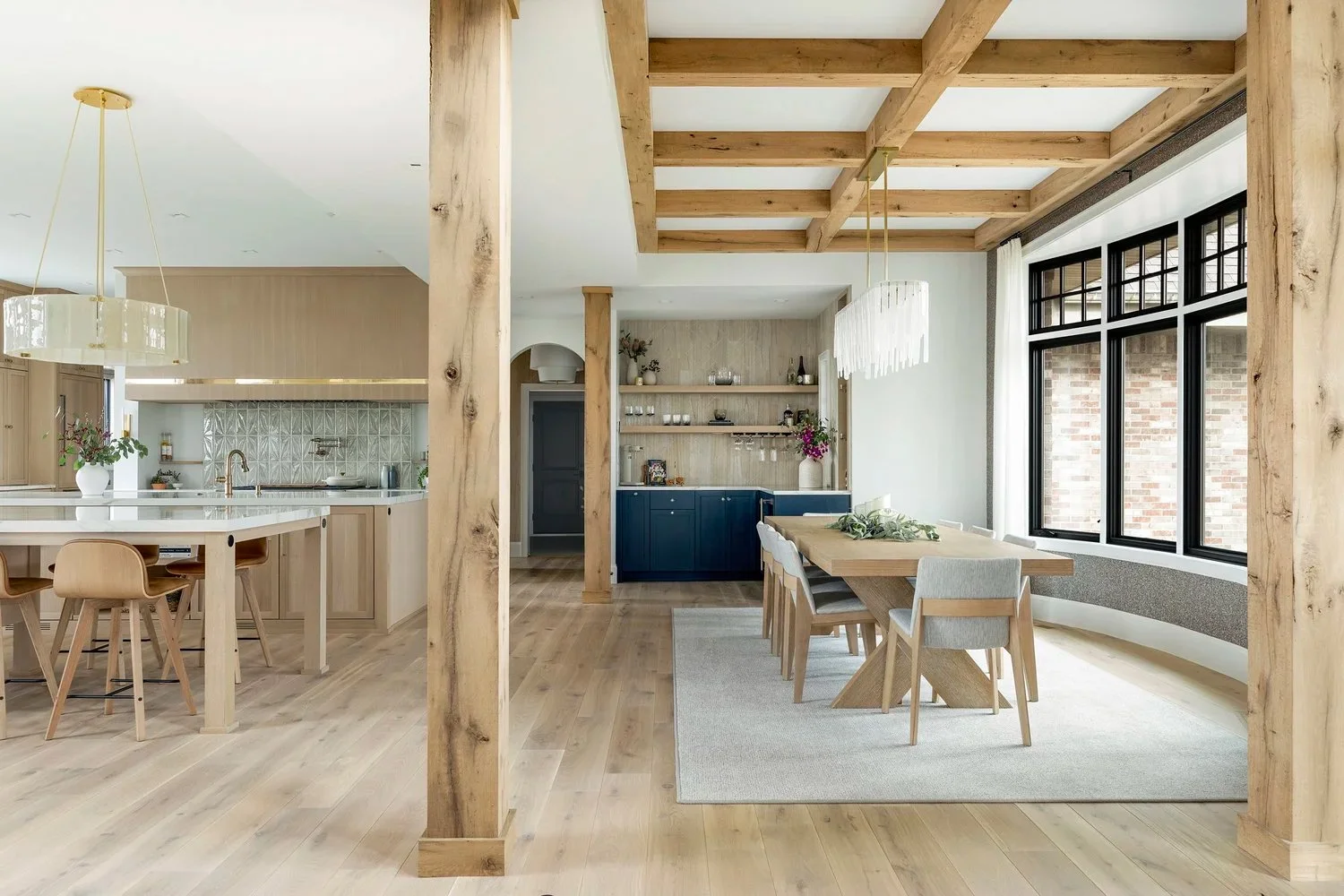
Designing with Intention: Spaces That Support Daily Life
The best-designed homes aren't always the most "Instagrammable" at first glance. They're the ones that make everyday life feel safer, calmer, and more like you. Whether it's a drawer that opens smoothly on the first try or a kitchen that lets two people cook together without getting in each other's way, these aren't dramatic design moments, but they're the ones that accumulate into a home that genuinely works
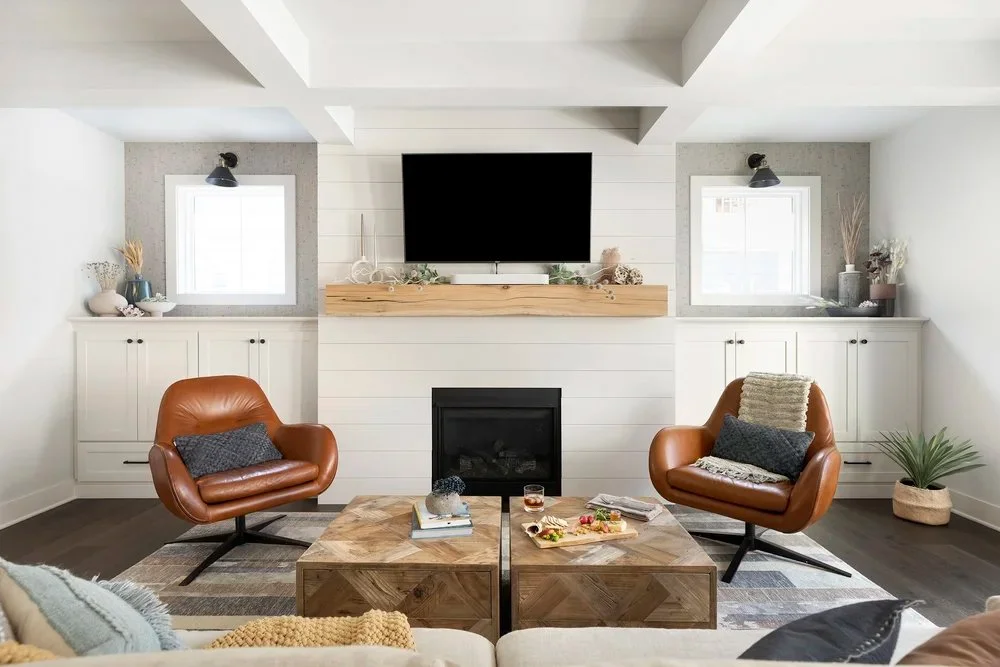
Timeless Over Trendy: Designing Homes That Endure
Scroll through any interior design feed for more than a few minutes, and a distinctive pattern emerges. Limewash walls. Arched doorways. All beige everything. Japandi this, Coastal Grandmother that, Tomato Girl Spring, Brat Summer. The trends (and micro-trends) cycle through so quickly now that something can go from fresh to familiar to fatigued within the span of a single renovation.
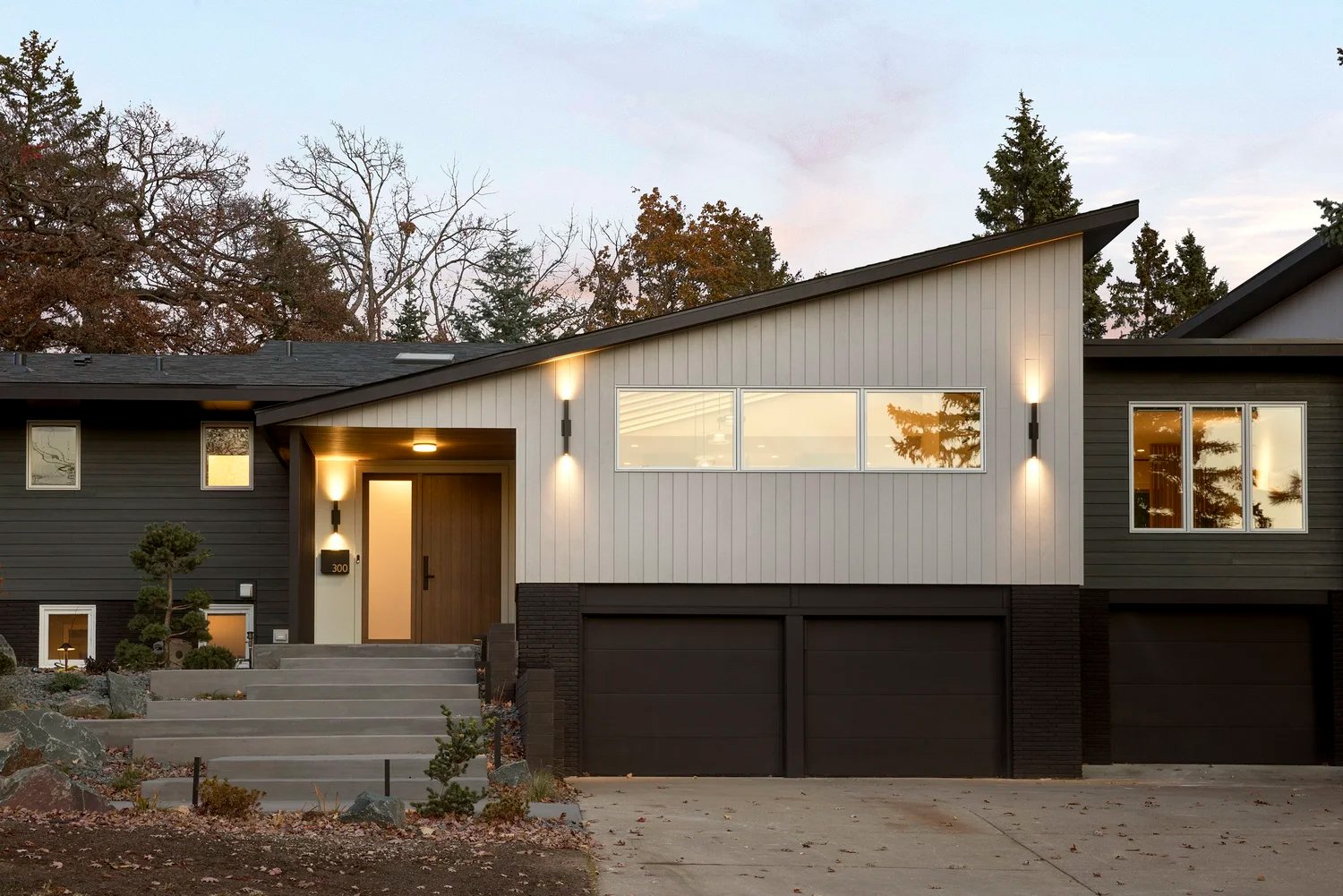
Light as a Design Element: Beyond Fixtures and Bulbs
There's a moment in the late afternoon when the sun drops low enough to pour through a west-facing window at just the right angle, and an otherwise ordinary room becomes something else entirely. The wall color glows, the wood grain deepens, and shadows fall soft and long across the floor. Nothing in the room has changed, and yet everything about the way it feels has shifted.
Smart Home Integration: Merging Technology with Design
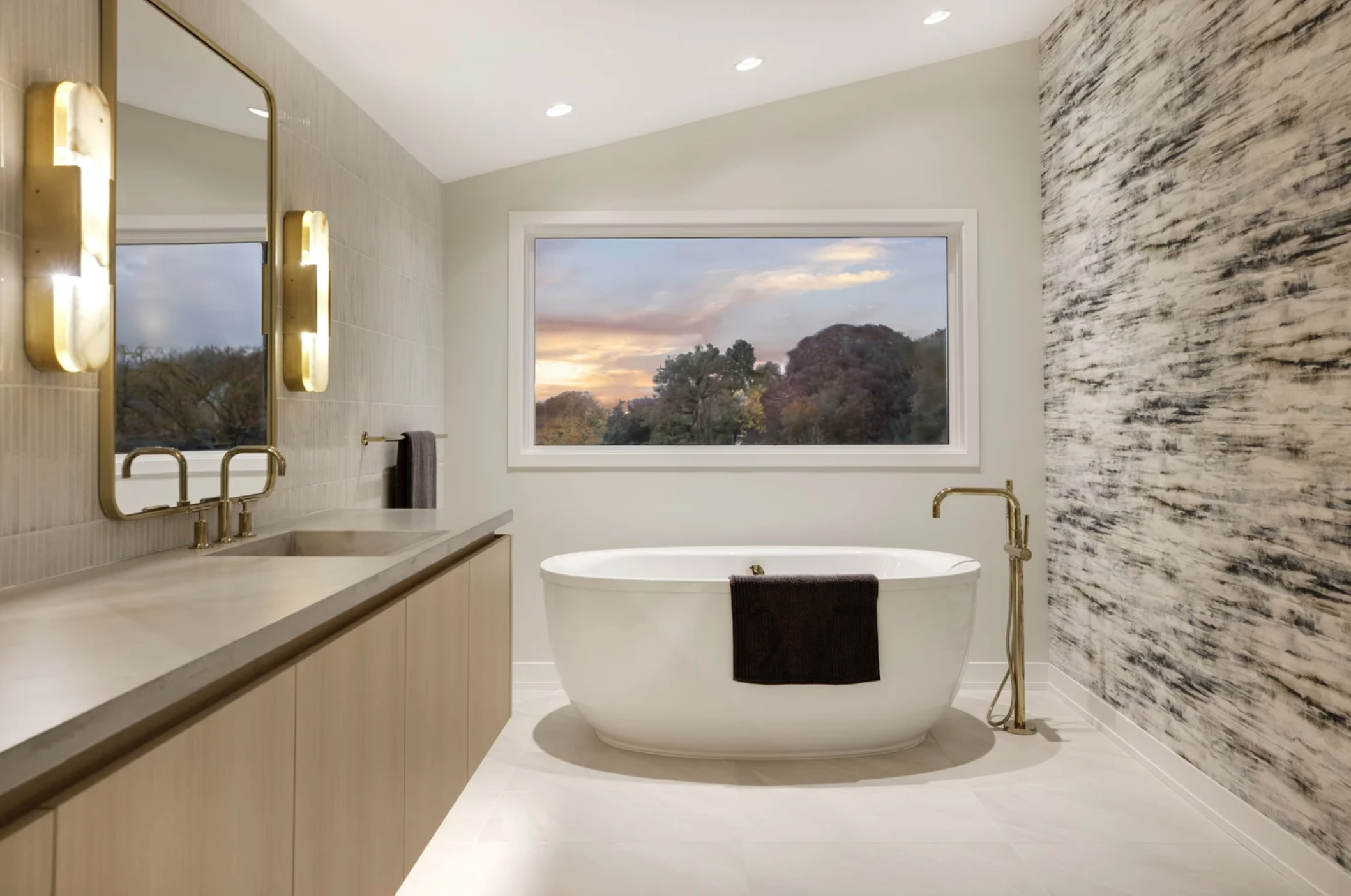
Smart home technology has come a long way from the early days of novelty gadgets and blinking control panels. Today, smart home integration has become less about showing off your technology and more about supporting the way you live. When done well, it becomes nearly invisible, working quietly in the background while the design remains front and center.
Designing Homes That Tell a Story
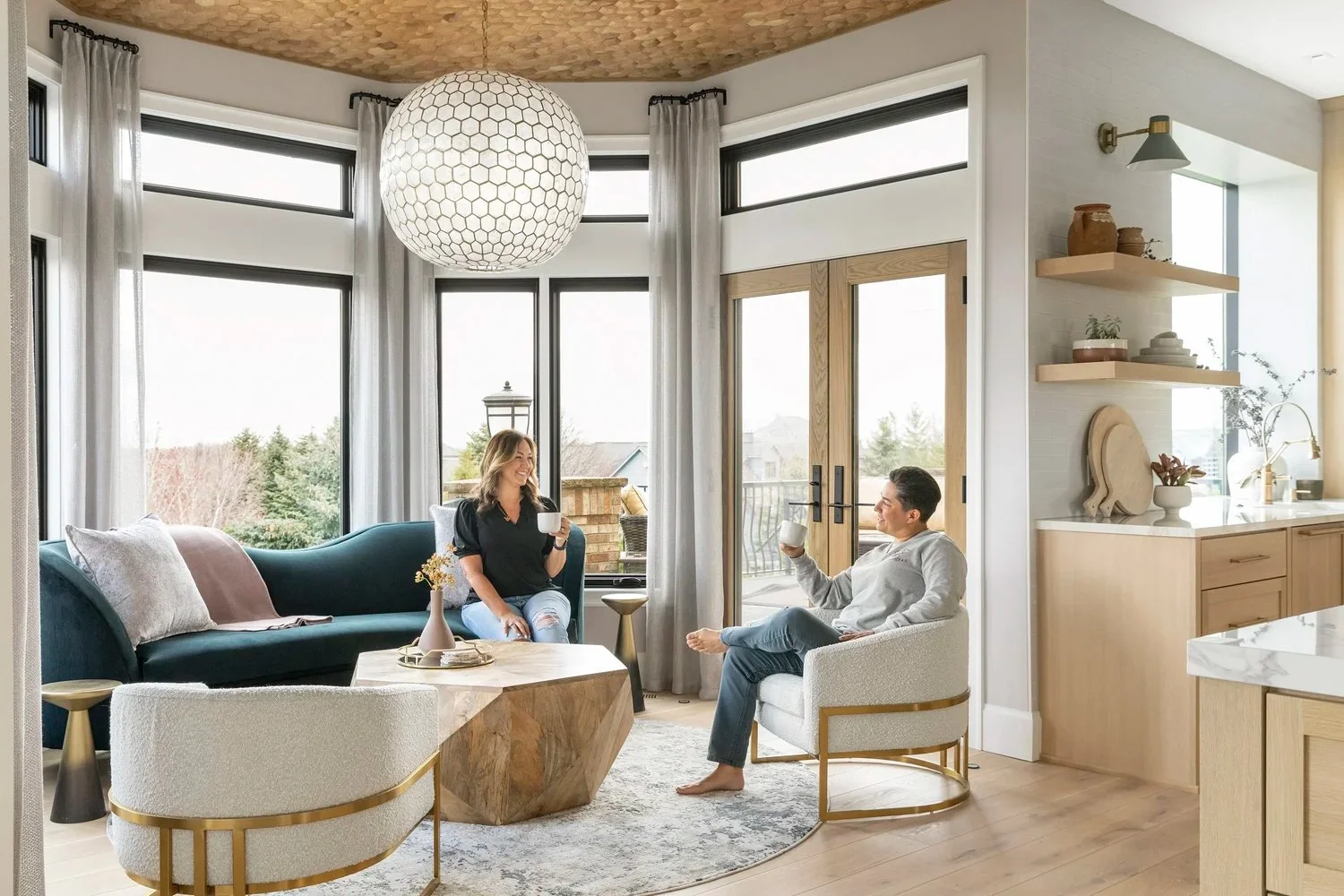
Whether intentional or not, every home tells a story. Our surroundings communicate what we value through architecture, materials, and even lighting. Every home has a lot to say about how we move through the world and what makes us feel grounded. Storytelling in design doesn't revolve around creating a theme or even adopting a perfectly curated, Pinterest-worthy aesthetic. Designing to tell your story involves shaping a home so it feels personal and lived-in.
Designing for Flow: Creating Harmony Between Rooms
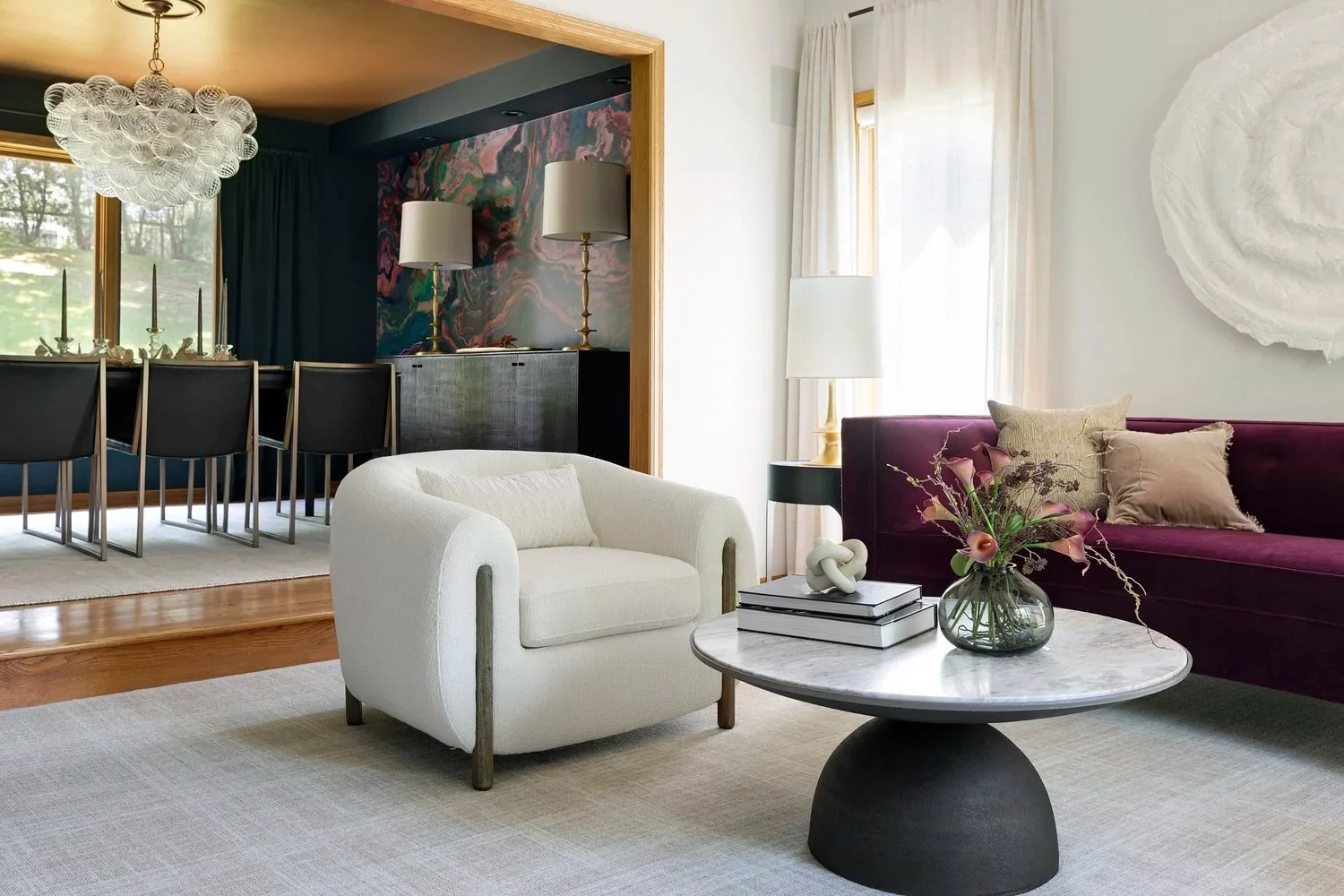
A well-designed home never exists in isolation. Instead, it's about how spaces relate to one another, how they transition, and how they make you feel as you move through them. Designing for flow is one of the most important yet often subtlest aspects of design. When a home's flow is carefully thought out, it feels effortless. When that sense of flow is missing, even the most beautiful rooms can feel disjointed.
Sustainable Materials: Eco-Friendly Choices for Your Home
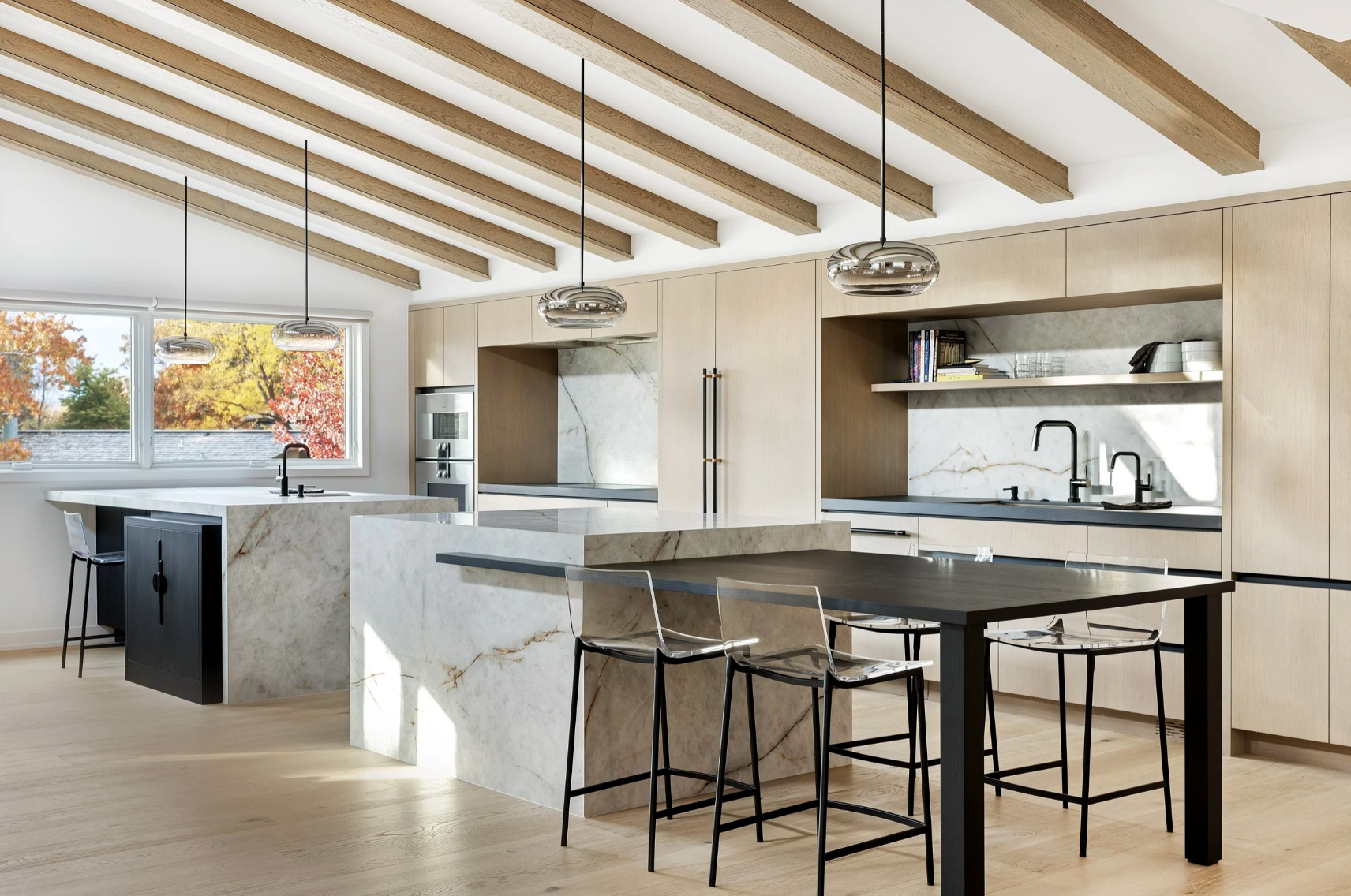
Sustainability in home design has shifted from a trend to an expectation. More homeowners are asking questions about where their materials come from, how they perform over time, and what impact they have on both their personal health and the environment. Sustainable materials are no longer limited to rustic or utilitarian aesthetics.
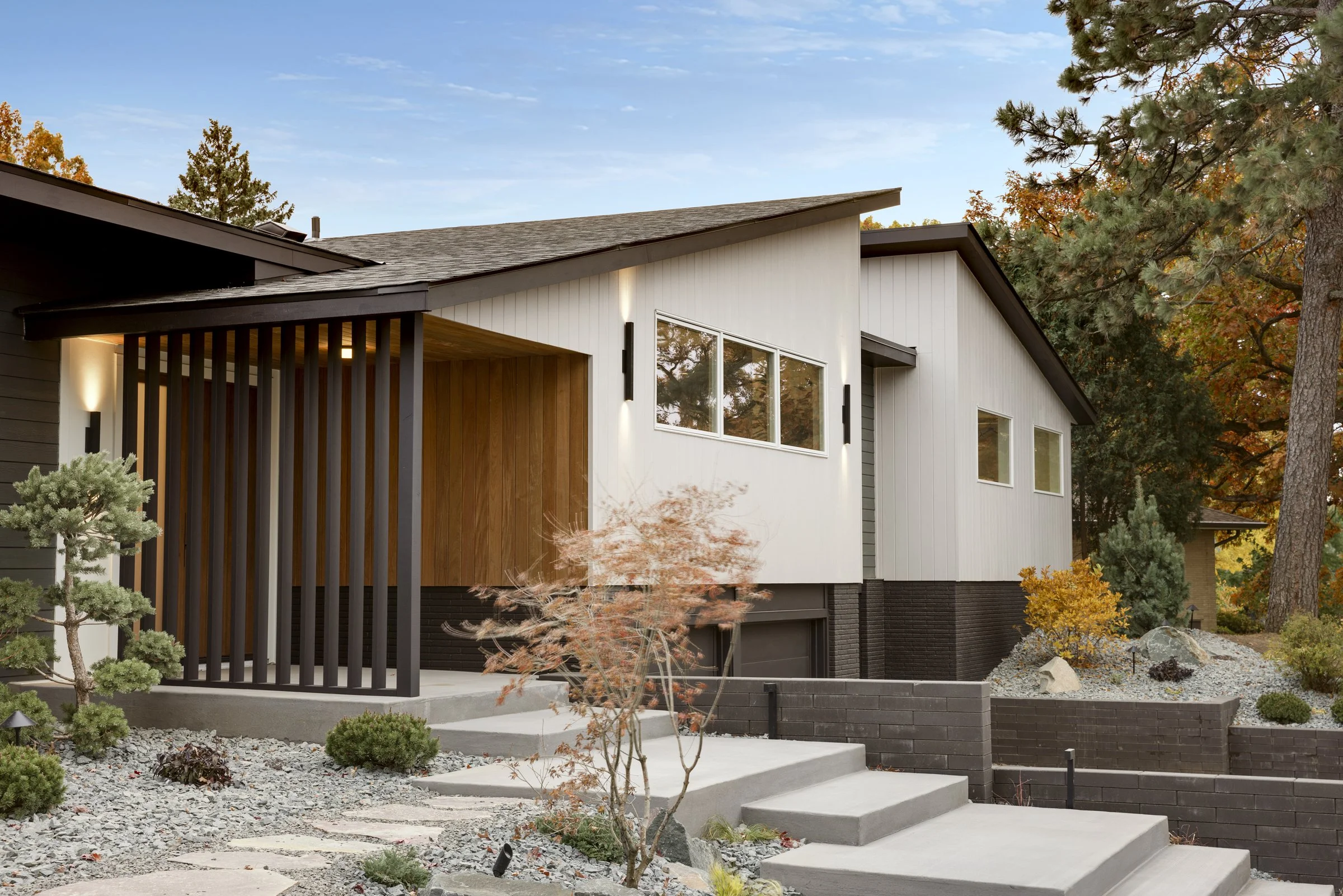
Behind the Design: Smart Home Integration at Westwood Drive
At Stockwell Homes, we believe smart home technology should never feel like an add-on. When done well, it becomes invisible—supporting how a home looks, feels, and functions without calling attention to itself. Our Westwood Drive project is a perfect example of how intentional design and carefully integrated technology can elevate a whole-home remodel into something truly special.

The Art of Layered Lighting in Home Design
When it comes to home lighting design, one of the most overlooked yet transformative elements is layering. Light has the power to alter your mood, define a space's function, and elevate the overall look of your home.
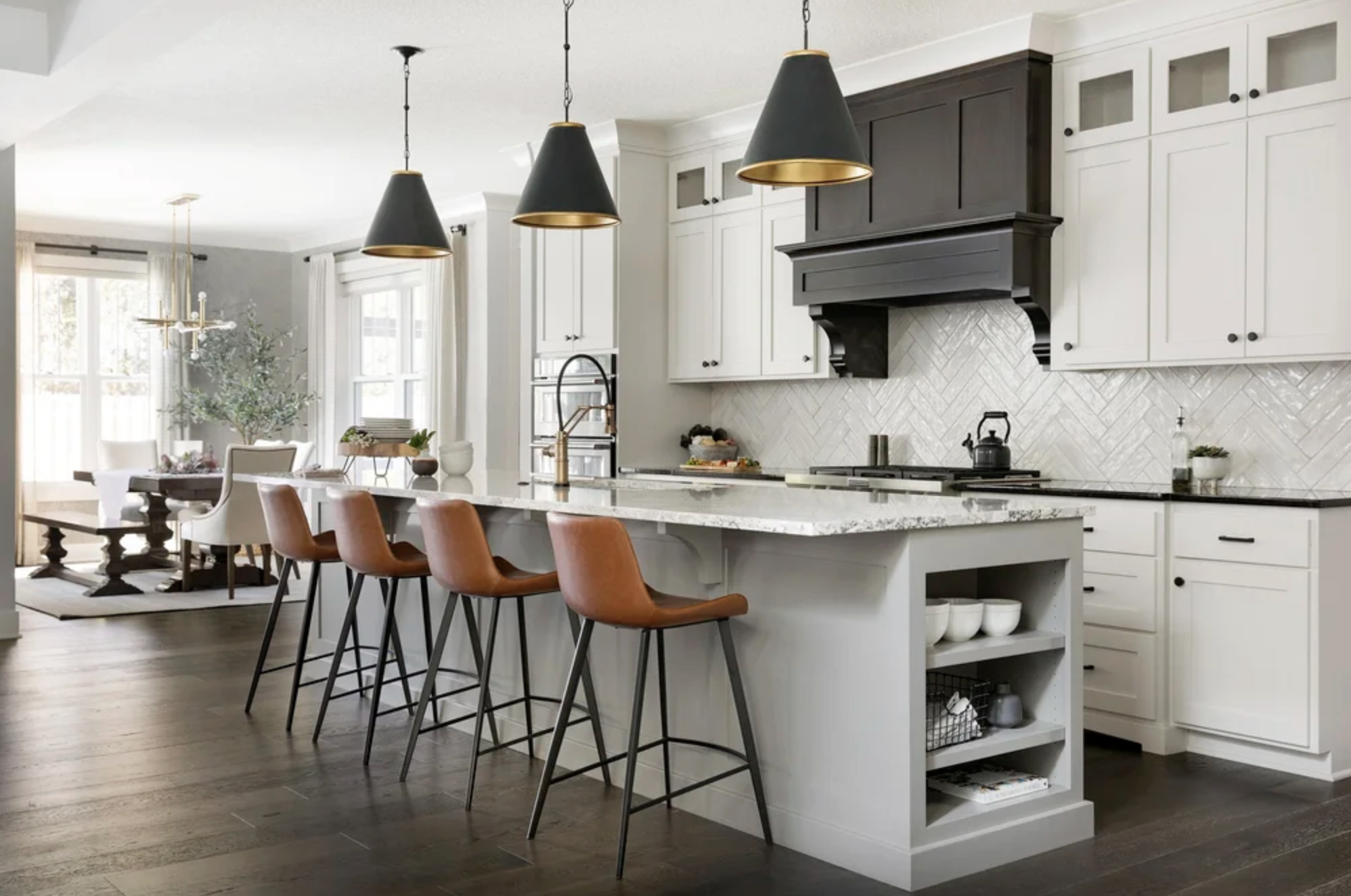
The Role of Texture in Interior Design
Texture is one of the most powerful tools in interior design, yet it’s often the least understood. Beyond color and form, texture gives a room its tactile soul—the sense that it’s lived in, comfortable, and complete.
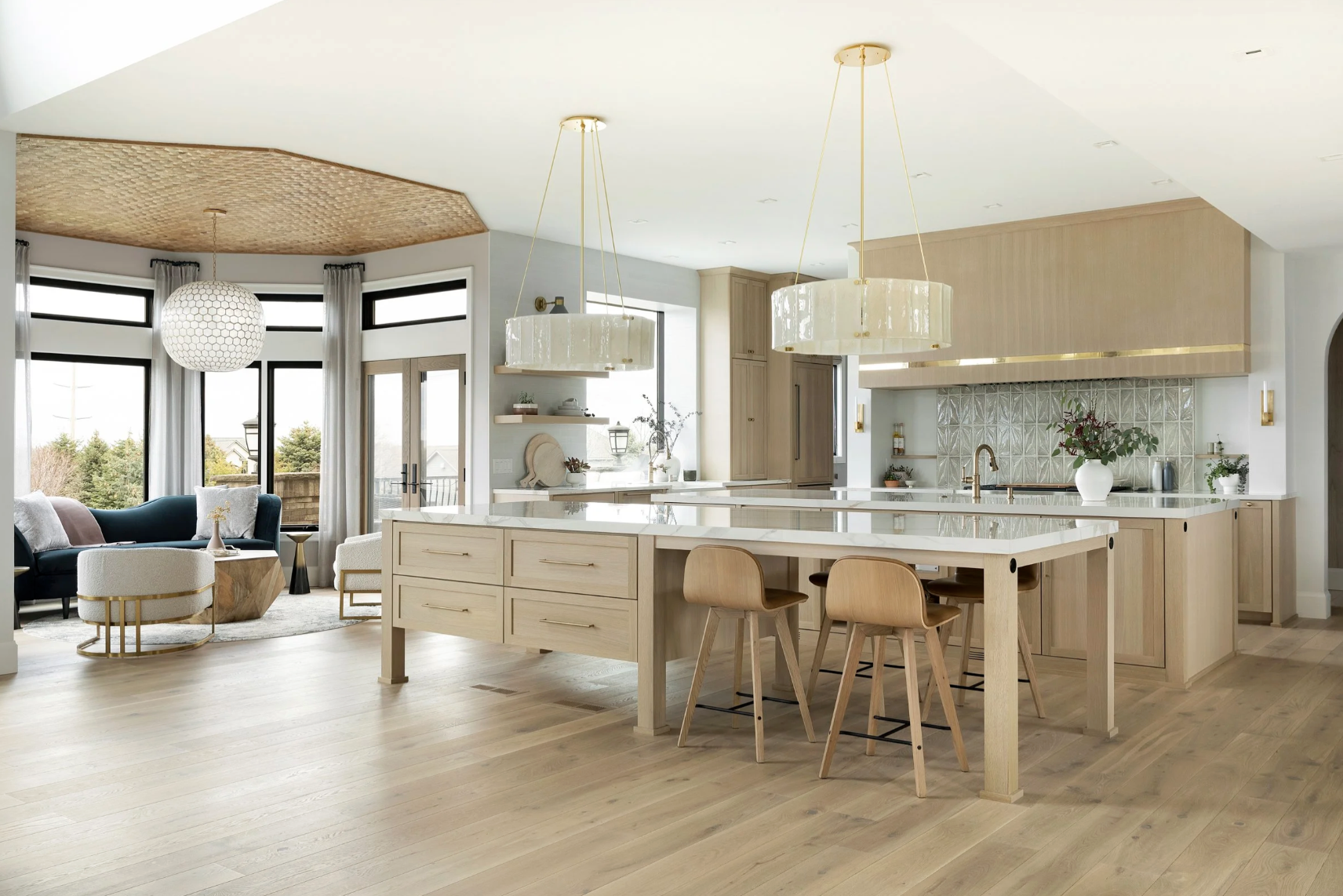
The Impact of Ceiling Design: Elevating Your Fifth Wall
When most people think about home design, they tend to focus on what’s in front of them: the walls, floors, furnishings, and accessories that shape daily living. But look up, and you’ll find an often-overlooked canvas with incredible potential: the ceiling.

Open Floor Plans: Pros, Cons, and Design Solutions
For decades, open concept living has been one of the most requested features in residential design. The idea of seamless flow, allowing kitchens, dining rooms, and living spaces to merge into one connected area, has reshaped how families gather and entertain.

Incorporating Vintage Finds into Modern Spaces
Modern interiors may be sleek and refined, but adding a well-placed vintage piece is often what makes the space feel truly lived-in and layered. At Stockwell Homes, we believe that thoughtful design doesn’t rely on any one era to bring our clients' vision to life.

Design Tips for Compact Living
Not every home comes with a sprawling floor plan, and that’s not necessarily a bad thing. Whether you’re nestled in a classic Craftsman in South Minneapolis, living efficiently in Edina, or navigating a long, narrow lot in St. Paul’s Highland Park, compact living offers endless opportunities to get creative.

Choosing the Right Palette for Each Room
In design, few things are more important than the power of color. From setting a tone to shifting an entire atmosphere, your color choices are always working harder than you think. And lately, color psychology in interiors has trickled in from the runway to the residential space, and with good reason.

Creating Restorative Home Environments
Learn how to transform your home into a wellness sanctuary with smart, hygienic kitchens, upgraded primary suites featuring spa-like amenities, and biophilic interiors that foster calm. By focusing on thoughtful materials and intuitive design, every space can support a healthier, more restorative lifestyle.

On food and color complexity
The more we expose our children (and ourselves) to complex tastes, be it food or color, the more we enrich our minds and inspire deeper reflection.

Why We Need Nature More Than Ever
The key to biophilic design is recognizing that our mental and physical health depends on a strong connection to nature. By bringing nature into our homes, workplaces, and cities, we create spaces that nurture and inspire us.

On window color (and architectural woodwork or finishes)
We have definitely seen a rise in the trend for black windows, especially in exteriors, but also in interiors. It can be beautifully implemented when it is appropriate to the design, and I highly recommend it when it is! But — is it a surefire way to give your home a modern edge? This might be an unpopular opinion, but — no.