
The Role of Texture in Interior Design
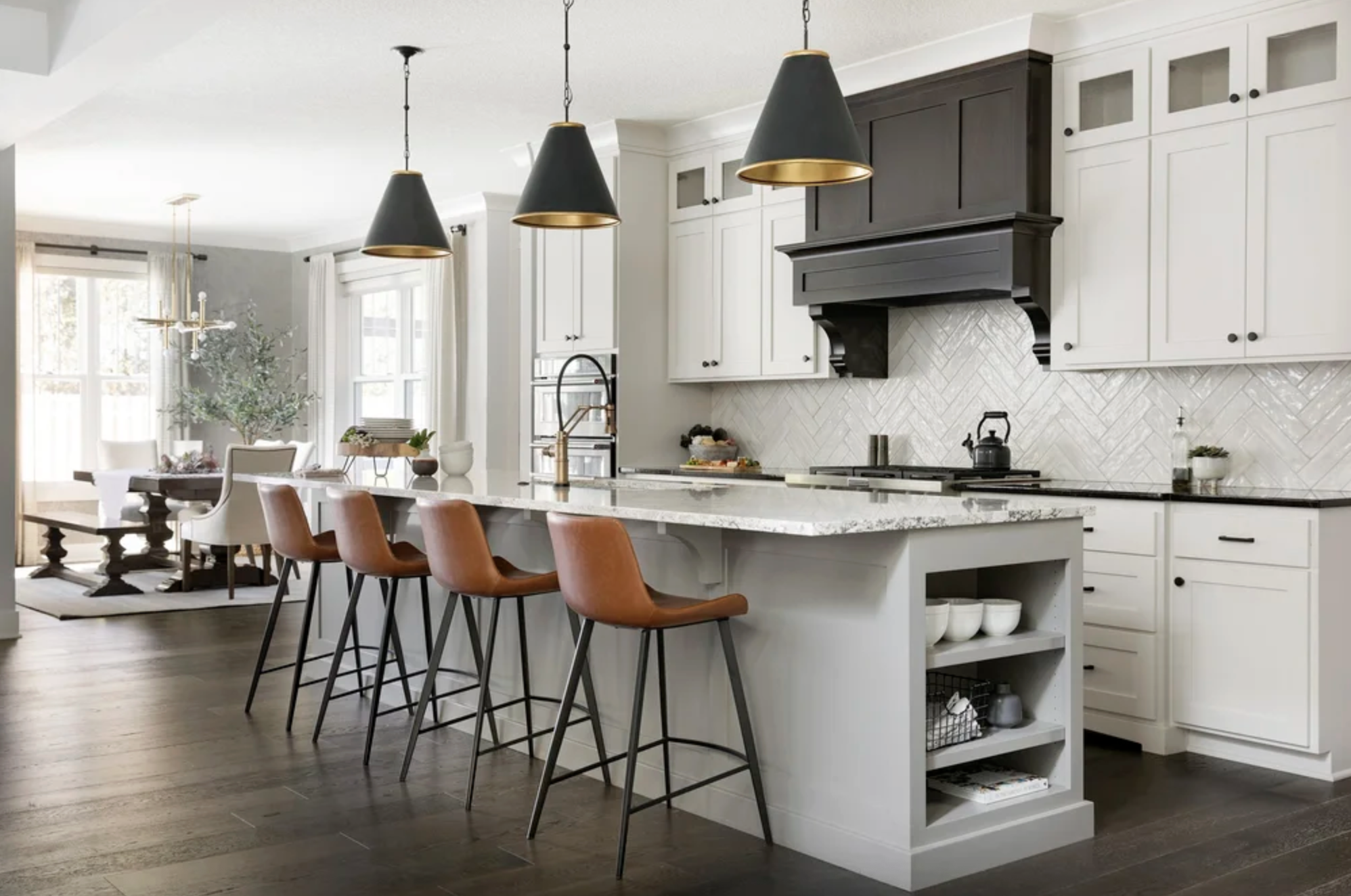
Texture is one of the most powerful tools in interior design, yet it’s often the least understood. Beyond color and form, texture gives a room its tactile soul—the sense that it’s lived in, comfortable, and complete. When we talk about interior design textures, we’re really talking about how materials interact with light, how they invite touch, and how they layer together to create depth. A beautifully designed home balances contrast and cohesion, letting every surface contribute to the story of the space.
Understanding the Importance of Texture
In interior design, texture refers to the surface quality of materials, encompassing both how something feels, and how it looks like it might feel. Rough stone, nubby linen, brushed metal, and smooth glass each have their own unique character. Applied with an expert touch, the use of interior design textures gives a space its energy, movement, and personality.
Using texture in home design is also about creating balance. A sleek modern room can feel cold, even sterile, without the softness of fabric or wood grain. A rustic space can feel heavy without a few polished finishes to reflect the light. Texture bridges these differences, creating harmony between hard and soft, matte and glossy, natural and refined.
Layering Textures in Your Home
Designing with texture starts with layering. Layering textures in decor is what transforms a flat, two-dimensional space into one that feels rich and inviting. The goal isn’t to overwhelm your space but to curate a mix that feels effortless and personal to your style.
Begin with foundational pieces like flooring and large furniture. A wool rug under a smooth leather sofa immediately creates contrast. Then build layers through textiles: linen drapery, velvet pillows, a chunky knit throw. Even subtle variations, such as matte paint against a satin ceiling medallion, add a striking play of finishes.
In professional interior design, textures are rarely accidental. We use textures intentionally to direct the eye, soften acoustics, and invite socializing. Layering textures in decor is less about perfection and more about creating visual interest, the repetition and variation that make a room feel collected over time.
Natural Materials and Organic Warmth
One of the most effective ways of using texture in home design is through the addition of natural materials. Wood, stone, concrete, and fiber bring authenticity and warmth that synthetic materials struggle to replicate.
Wide-plank oak, honed marble, and woven rattan instantly add depth. Pairing smooth finishes like lacquer or glass with natural ones helps maintain balance. In coastal or Scandinavian-inspired interiors, texture often comes from organic sources: think bleached woods, linen upholstery, and hand-thrown ceramics. Materials like these capture the light and reinforce a sense of calm.
The beauty of natural interior design textures lies in their imperfections. Variations in grain, veining, or weave remind us that craftsmanship and nature coexist within a space.
Texture Through Contrast
Contrast plays an important role in what makes texture visible in a given space. In a monochromatic room, layering textures in decor prevents the palette from feeling flat. For example, pairing a matte wall with glossy millwork or combining coarse rattan with smooth travertine creates a dynamic sense of visual tension.
Using texture in home design also means considering how materials react to the changing light: Silk gleams, wool absorbs, and metal reflects. Using these opposing qualities instantly makes the space feel more dimensional and alive.
Even within a single color story, texture can help to define zones and experiences. A velvet bench beside a raw plaster wall draws attention through juxtaposition, proving that contrast doesn’t always require bold color, just thoughtful layering.
Texture and Light
Light and texture are inseparable partners when it comes to interior design. Natural and artificial light bounce off surfaces differently throughout the day, shifting the way your home's interior design textures are perceived.
In daylight, matte finishes feel soft and calm, while glossy finishes come alive in the evening under the warm glow of lamps or sconces. When layering textures in decor, it’s important to account for the way materials change with various lighting conditions. Linen may glow at sunrise, while brushed metal adds warmth after sunset.
Designers often use texture to amplify a lighting plan. Rough stone or plaster walls catch shadows and add depth to a space, while polished surfaces reflect ambient light to open up a room. Understanding this interplay allows for richer, more intentional spaces.
Soft Textures and Comfort
While architectural finishes create structure, textiles introduce comfort. Using texture in home design through fabrics is one of the simplest and most transformative strategies available.
Fabrics have a dramatic influence on aesthetics and mood simultaneously. Linen and cotton feel airy and relaxed; velvet and mohair create luxury and coziness. Layering fabrics in varying weights keeps a space from feeling too formal or too casual, depending on the look you want.
In bedrooms and living areas, interior design textures should feel approachable. Combining woven blankets, upholstered headboards, or tactile cushions makes the space more personal. Even a small dose of softness, like an alpaca throw or sheepskin rug, instantly adds warmth.
Texture in Modern and Minimal Spaces
Texture plays an especially important role in minimalist interiors. When color is subdued and accessories more pared-back, layered materials prevent a space from feeling sterile.
A neutral palette can feel expressive when you layer textures in the home: each material adds nuance. In modern home lighting and architecture, these surfaces become even more important as they catch and diffuse the light. Unlike the risk of over-accessorizing, using texture in home design doesn’t create clutter. It ultimately lends richness and depth.
The Art of Balance
The secret to mastering interior design textures is balance. A room filled only with rough or heavy materials can feel overwhelming, while you risk creating a chilly interior if you use too many sleek surfaces. The goal is to mix tactile experiences while maintaining cohesion.
Start with one dominant texture, like stone or wood, and complement it with two or three supporting elements that vary in scale or sheen. With this approach, layering textures in decor becomes an exercise in personality.
Editing is just as important as adding. A balance between smooth and tactile, light and dark, soft and structured, allows the eye to rest while keeping the space engaging.
Bringing It All Together
Texture is what makes a home feel lived in, cohesive, and complete. The thoughtful use of interior design textures elevates every style, from classic to contemporary, by adding sensory details that no colorway alone can achieve.
Whether you’re designing a cozy family room or a sleek kitchen, focus on layering textures in decor to create depth and warmth. Introduce natural materials, vary finishes, and play with contrast. Observe how light interacts with each surface, and refine until the room carries a sense of unity.
Using texture in home design is about what you feel when you're in a space, not just what you see. When everything works together, the result is a house that makes you feel at home.
Ready to bring more depth and dimension into your home? At Stockwell Homes, our team can help you layered a layered, welcoming interior that feels sophisticated, comfortable, and (most importantly) unique to you.