
The Art of Layered Lighting in Home Design
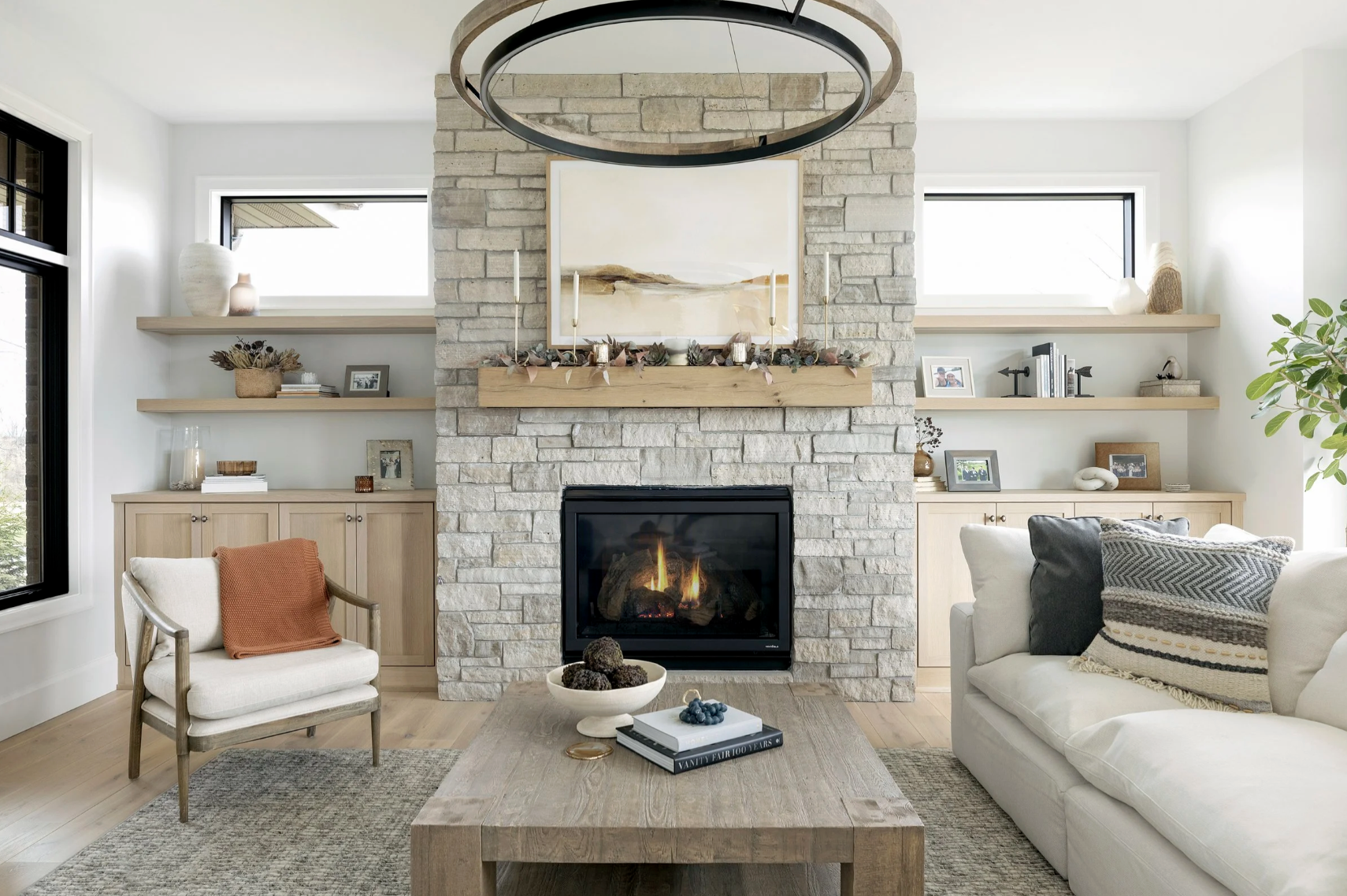
When it comes to home lighting design, one of the most overlooked yet transformative elements is layering. Light has the power to alter your mood, define a space's function, and elevate the overall look of your home. The art of layered lighting lies in blending multiple light sources to create depth, flexibility, and warmth in every room. Done well, lighting can turn an ordinary space into one that feels vibrant and alive.
Understanding Layered Lighting
At its core, layered lighting is the balance of three key components: ambient, task, and accent lighting. Each plays a different role in shaping the visual and emotional resonance of a room. When these layers are designed to complement one another, home lighting design moves beyond illumination and becomes atmosphere.
Ambient light provides the overall glow, task lighting brings focus to work zones, and accent lighting adds visual interest. Together, these levels of light form the foundation of a space that feels both functional and expressive.
Setting the Foundation with Ambient Lighting
Every space begins with a base layer. Ambient lighting tips usually start with ceiling fixtures, recessed lights, or architectural elements that wash the room in even, comfortable light.
In home lighting design, ambient light defines how open and welcoming a space feels. For example, in a living room, warm color temperatures soften edges and create intimacy. In a kitchen, cooler ambient tones can boost alertness during the day without feeling sterile. Dimmer switches are a key part of any layered lighting plan, allowing you full control over how the space adapts from morning to evening.
Task Lighting Ideas for Everyday
The next layer, task lighting, focuses on where you need clarity and precision most. Kitchen counters, bathroom vanities, home offices, and reading nooks all benefit from this particular layer. Good task lighting ideas balance brightness and direction, ensuring the light is functional but still flattering.
In the kitchen, under-cabinet LED strips illuminate countertops without casting shadows. In an office, adjustable desk lamps or articulating sconces create focused light that minimizes glare on screens. In the bathroom, vertical fixtures at eye level rather than overhead lights provide a more natural reflection, an essential home lighting design tip that makes daily routines easier and more enjoyable.
Task lighting shouldn’t exist in isolation, though. When thoughtfully positioned, it merges into the overall layered lighting plan.
Using Accent Lighting to Define Character
If ambient light sets the mood and task lighting serves a function, accent lighting tells the story. Accent lighting strategies draw attention to what matters most, like architectural details, artwork, or textures that deserve to be showcased.
Wall washers, directional spotlights, and picture lights are some of the most effective ways to create these highlights. In home lighting design, accent lighting isn’t just about brightness but also about creating contrast. A subtle spotlight over a sculpture or a recessed fixture emphasizing a stone wall adds depth and drama without overwhelming your space.
One of the most effective accent lighting strategies involves layering light to create gentle gradients rather than stark contrasts. This approach allows the eye to move comfortably through the space while emphasizing the craftsmanship and materials that make it unique.
Layered Lighting in Different Spaces
Each space tells its own story, and layered lighting should adapt to the way the space is used. In living rooms, the goal is flexibility. Combine a central pendant or flush mount with table lamps, sconces, and picture lights. Use dimmers to shift between bright gatherings and softer evening ambience.
In the kitchen, the best task lighting ideas include pendant lights over islands for warmth and under-cabinet LEDs for precision. Pairing these with recessed ceiling fixtures ensures even illumination throughout.
Bedrooms benefit from balanced ambient lighting tips that promote calm, such as soft overhead lights paired with bedside sconces or shaded lamps that can be independently controlled. In bathrooms, blending backlit mirrors with ceiling and shower lighting ensures adequate illumination and a spa-like atmosphere.
In every space, the essence of good home lighting design is versatility. Light should change with the flow of the day, just like we do.
Color Temperature and Mood
A crucial yet often overlooked aspect of layered lighting is color temperature. Warm light, measured in lower Kelvin values, tends to feel inviting and relaxing, making it ideal for living areas and bedrooms. Cooler light, in higher Kelvin values, feels more energizing and is better suited for kitchens or workspaces.
Understanding this relationship allows you to apply ambient lighting tips, ensuring that a space's mood and function are in alignment. Modern smart systems even allow for tunable lighting, shifting temperature throughout the day to mimic the body’s natural circadian rhythm, an innovation that makes home lighting design beautiful and beneficial to your sleep patterns.
Maintaining Balance
The best layered lighting is all about restraint and proportion. Too much ambient light can flatten a space, while too much accent lighting can make it feel almost theatrical. The key lies in layering with intention, letting each element play a role while maintaining harmony.
A successful home lighting design uses light the way a painter uses tone, balancing shadow and brightness to create a sense of depth. When every layer – ambient, task, and accent – has a purpose, the result feels effortless.
Bringing It All Together
When executed properly, layered lighting goes far beyond just aesthetics; it helps shape how you live within your home. It encourages rest where you need tranquility, focus where you work, and warmth where you spend time with loved ones.
Whether you’re renovating a single room or planning a full home lighting design, begin by observing how light interacts with your home throughout the day. Build layers gradually, combining ambient lighting tips, task lighting ideas, and accent lighting strategies that respond to your lifestyle.
Lighting is the final touch that gives architecture its soul. Done well, it turns a house into a place that feels warm and inviting from sunup to sundown.