
Designing Homes That Tell a Story
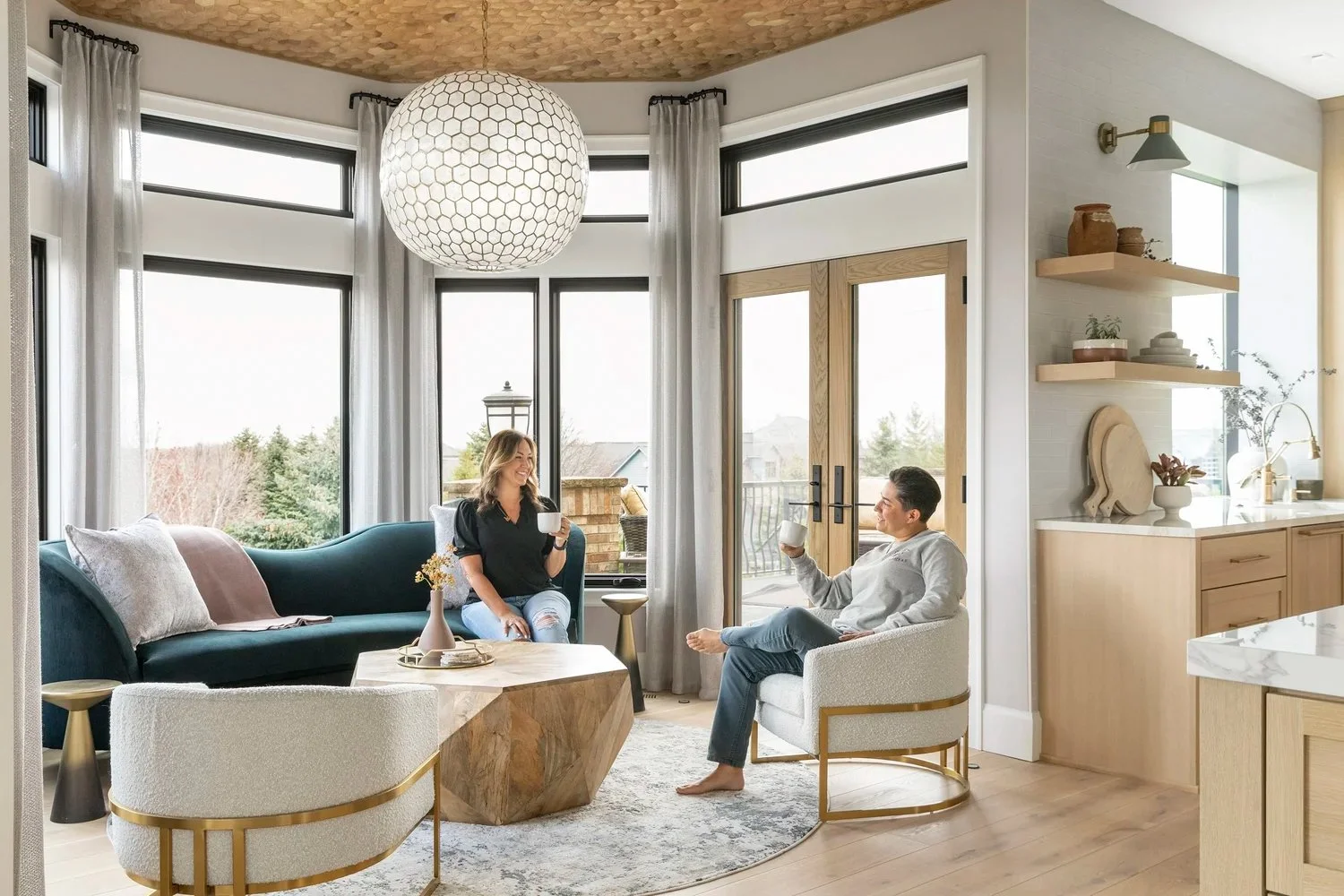
Whether intentional or not, every home tells a story. Our surroundings communicate what we value through architecture, materials, and even lighting. Every home has a lot to say about how we move through the world and what makes us feel grounded. Storytelling in design doesn't revolve around creating a theme or even adopting a perfectly curated, Pinterest-worthy aesthetic. Designing to tell your story involves shaping a home so it feels personal and lived-in.
In moments when the world outside feels uncertain or unsafe, the role of home becomes even more meaningful. Home is a place of refuge and belonging, and everyone deserves a space that feels safe. Design can help reinforce that sense of stability by honoring personal history and culture, and supporting your daily rituals.
Storytelling as a Design Foundation
Storytelling in design begins with listening to your clients. Before you select materials or draw up your plans, the most important work is understanding how a family lives, what they carry with them, and what they hope their home will offer. These conversations are the heart and soul of a personalized design experience.
Some stories are loud and expressive, reflected in bold architectural details or decorative objects collected over time. Others are quieter, told through subtle transitions, soft lighting, or materials that feel familiar and comforting. Design trends don't matter in a truly meaningful interior. Instead, storytelling in design is more about creating emotional resonance. When a home reflects its occupants, it feels authentic rather than artificial.
Architecture as Narrative
Architecture provides the framework for a home's narrative. The way rooms are arranged, how ceilings rise or compress, and how spaces open to one another all shape the experience of the home. These decisions influence how people gather, retreat, and connect.
A home designed with intention allows daily life to unfold naturally. A kitchen that opens to a living space might reflect a love of shared meals and conversation. A quiet reading room tucked away may speak to a need for solitude and reflection. Storytelling in design is embedded in these spatial choices, guiding how the home emotionally supports its occupants.
Materials That Carry Meaning
Materials play a central role in personalized home design. They carry texture, memory, and cultural significance. A reclaimed wood beam may reference a family’s past. A stone selected for its local origin may reflect a connection to place. These choices contribute to an architectural narrative that feels grounded and sincere.
Meaningful interiors often rely on materials that age gracefully. Wear and patina become part of the story rather than something to hide. In times when people are seeking permanence and reassurance, materials that make a house feel more like home offer so much comfort.
Light as Emotional Language
Light is one of the most powerful tools in storytelling in design. Natural light shapes how a home feels throughout the day, which can influence an occupant's mood and energy. Careful placement of windows, skylights, and openings allows light to move through the home in a way that feels simultaneously intentional and supportive.
In personalized home design, light can serve as a source of practical and poetic influence. Morning light in a kitchen might signal the start of the day, while softer evening light in living spaces encourages rest and connection after returning to the safety of the home. Meaningful interiors use light to create a sense of rhythm, reinforcing the emotional narrative of the home.
Objects and Memory
A home’s story is also told through the objects it holds. Art, furniture, books, and cherished family heirlooms carry layers of personal history. In design storytelling, these elements are not treated as accessories but rather as important pieces that act as anchors.
Designing space around meaningful objects allows them to feel fully integrated into a space rather than decorative. A wall designed to hold a cherished collection or a niche created for a handmade piece gives importance to the things that matter most. Personalized home design honors these narratives, allowing treasured memories to live comfortably alongside daily life.
Cohesion and Continuity
A strong architectural narrative relies on building a sense of cohesion. (Contrary to popular belief, cohesion is about continuity, not uniformity!) Materials, colors, and shapes should relate to each other across the home, but they shouldn't feel too precious. It's about creating flow and familiarity, not being matchy-matchy. When every finish can metaphorically sit together and feel like it belongs, that's when the story feels complete.
But that doesn't mean interiors can't rely on the use of subtle repetition. A recurring material, a consistent undertone, or a common shape helps tie spaces together. Continuity supports visual movement, allowing the home to feel stable and reassuring.
Home as a Safe Place
Design does not exist in a vacuum. Social and cultural realities shape how people experience their homes. In times of fear and uncertainty, the idea of home as a safe place becomes essential rather than abstract.
Personalized home design can reinforce security by creating environments that feel protective and welcoming. Privacy, comfort, and clarity of space matter deeply when clients are seeking refuge from external stress. Storytelling in design becomes an act of care, affirming that everyone deserves a home that supports their wellbeing and sense of belonging.
Designing with Intention and Care
Meaningful interiors are the result of making design choices with care, not rushed or overly prescriptive. They allow space for life to unfold, for stories to evolve, and for new memories to be made in a way that feels organic to each individual client.
An architectural narrative should feel open-ended rather than fixed. As families grow and circumstances change, the home should be able to adapt with the times without losing its core identity. This flexibility is an integral part of what makes personalized home design so enduring.
Bringing It All Together
Above all, designing homes that tell a story is about honoring the people who live there. Through storytelling in design, architecture, light, and materials come together to create spaces that feel personal, grounded, and humane.
Meaningful interiors offer comfort, continuity, and a sense of safety. They reflect who we are and what we value, especially in moments when the world feels uncertain. A home designed with intention becomes a place of belonging, care, and strength.
Interested in creating a home that reflects your story? At Stockwell Homes, our team approaches personalized home design with care, crafting narratives that feel authentic and deeply connected to the people who live within them.