
Designing for Flow: Creating Harmony Between Rooms
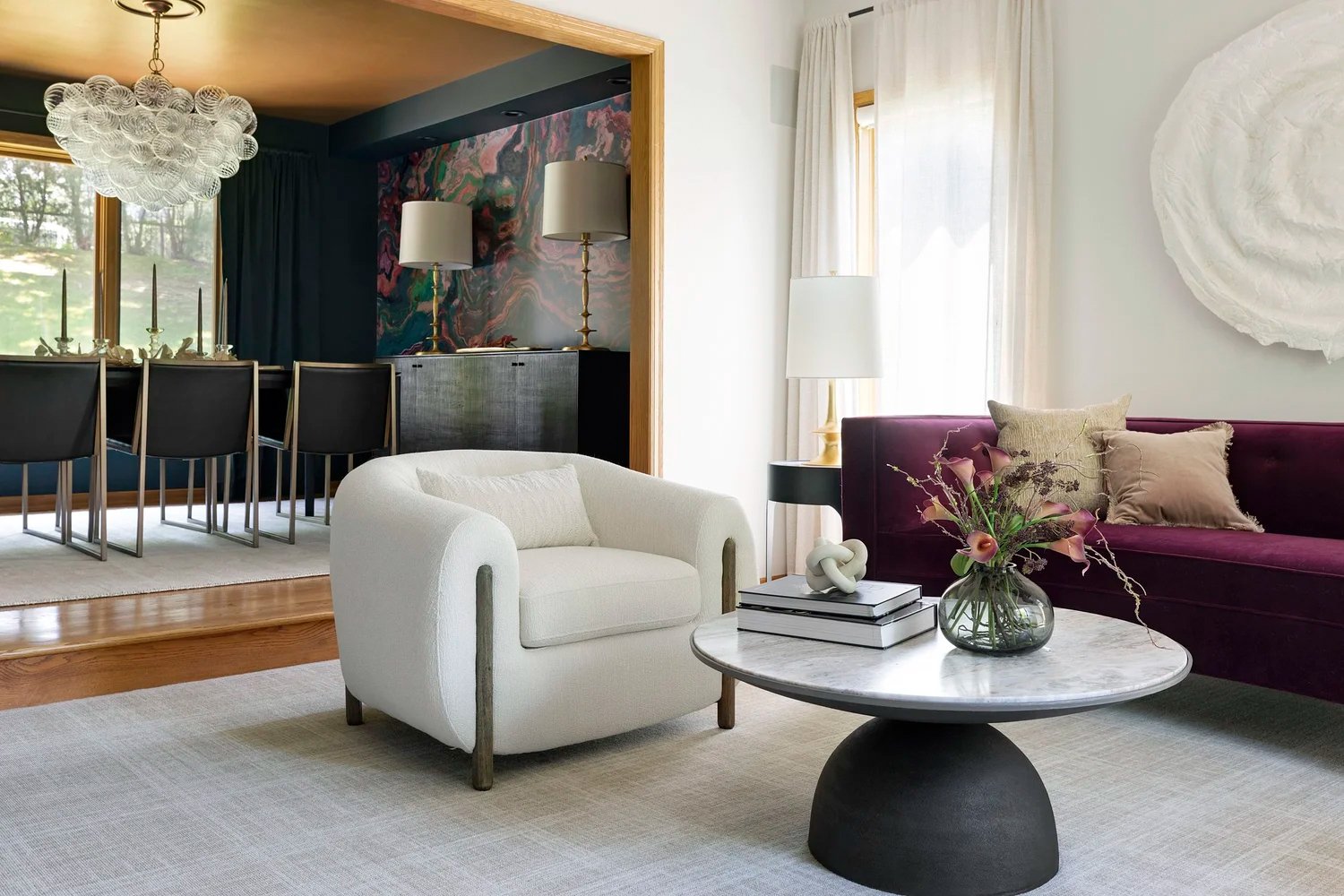
A well-designed home never exists in isolation. Instead, it's about how spaces relate to one another, how they transition, and how they make you feel as you move through them. Designing for flow is one of the most important yet often subtlest aspects of design. When a home's flow is carefully thought out, it feels effortless. When that sense of flow is missing, even the most beautiful rooms can feel disjointed.
At its core, spatial design is about creating connection. It considers how people live and move, creating a sense of ease that supports daily life while allowing each space to have its own identity within a cohesive whole.
In a broader sense, this idea of connection resonates beyond the walls of any house. In communities like Minneapolis and throughout Minnesota, the sense of home as a place of safety and support has been challenged by recent events. Many people are afraid to leave their neighborhoods, and families have had routines disrupted as fear takes hold in daily life. These dynamics remind us of something universal: the fundamental human need for safe spaces and community. Everyone deserves a place that feels secure.
Understanding Flow in Home Design
Flow, often called home layout flow, refers to the way rooms connect visually, physically, and even emotionally. Influenced by circulation paths, sightlines, proportions, and transitions between spaces, spatial design allows movement to feel intuitive rather than forced.
Flow isn't limited to open concept homes, either. Even in more traditional layouts, layout planning can create a sense of continuity. Hallways become pauses rather than feeling like wasted space, doorways frame views, and rooms feel connected even when they are distinct. The goal of a cohesive interior is to make movement through the home feel natural.
A sense of fluidity and comfort within your own walls feels even more meaningful these days. A home that flows well fosters calm and reassurance in a world that often feels unpredictable.
Designing the Home as a Whole
One of the principles we return to at Stockwell Homes is designing across the entire home rather than working room by room. While each space serves a specific function, no room is an island. We create cohesive interiors when materials, finishes, and shapes relate to one another.
We often talk with clients about imagining every finish in their home laid out together in a single pile. Cabinetry, tile, stone, fabrics, wood tones, and metals should feel like they belong in the same conversation. If the collection feels harmonious as a group, it translates seamlessly across rooms. This approach to spatial design creates a subconscious connection that feels familiar as you move from one space to the next.
Subtle Repetition Creates Cohesion
Repetition is one of the most effective tools in creating home layout flow, but that doesn't mean matching everything exactly. Echoing shapes, textures, patterns, or colors in a way that feels intentional feels much more organic than cookie cutter perfection.
For example, a tile pattern in the kitchen may reappear in a similar form in a bathroom. A specific wood tone might be used in cabinetry, shelving, and furniture throughout the home. These quiet repetitions help spaces feel connected without feeling repetitive. In cohesive interiors, the eye recognizes these connections even if the mind doesn't consciously register them.
Color Palettes and Emotional Continuity
Color plays an important role in spatial design and flow. A home doesn't need to be monochromatic to feel cohesive, but it does benefit from a shared palette. This might include a consistent neutral base with accent colors that shift from room to room.
Designing for flow means allowing colors to transition naturally. A deeper tone in a dining room might soften as it moves into a living space. A bedroom palette may feel quieter but still pull from the same undertones used elsewhere. Continuity creates a sense of ease, supporting the feeling that the home is a unified environment rather than a collection of separate moments.
Open Concept Solutions and Defined Spaces
Open concept solutions are often associated with flow, but openness alone can't guarantee harmony. Without taking flow into account, larger, open spaces can feel overwhelming or undefined. The key is creating zones that feel connected while still highlighting their distinct purposes.
Area rugs, lighting, window treatments, and furniture placement help define spaces within an open plan. Subtle changes in materials or textures can signal transitions without adding visual clutter. When open concept solutions are designed intentionally, they enhance flow while maintaining a sense of comfort and order.
Transitions Matter
Some of the most important moments in spatial design occur between rooms. Transitions shape how spaces relate to one another and how the home unfolds. Flooring changes, ceiling heights, wall treatments, and the way light shifts from one room to the next can all influence flow. Cohesive interiors use transitions to guide movement. These design decisions support home layout flow by creating rhythm rather than abrupt change.
Furniture and Scale
Furniture placement and scale play major roles in design. Oversized pieces can interrupt flow, while undersized furniture can make spaces feel disconnected. Choosing pieces that feel proportionate to the room and adjacent spaces helps maintain continuity.
Furniture can also act as a bridge between spaces. A console that echoes the material of a nearby kitchen island or a chair fabric that references a neighboring room’s palette reinforces cohesive interiors. These connections create flow without adding repetition at every turn.
Bringing It All Together
Designing for flow is about creating harmony across spaces through thoughtful design, repetition, and intentional transitions. Cohesive interiors allow each room to have its own character while still belonging to a unified whole.
When finishes relate to one another, when colors share undertones, and when movement feels natural, the home begins to feel effortless. Open concept solutions and traditional layouts alike benefit from this approach. The finished result is a home that feels connected, livable, and intuitive, a place that supports emotional well-being.
Interested in creating a home that feels cohesive from room to room? At Stockwell Homes, our team approaches design holistically, ensuring that every space supports your lifestyle.