
Light as a Design Element: Beyond Fixtures and Bulbs
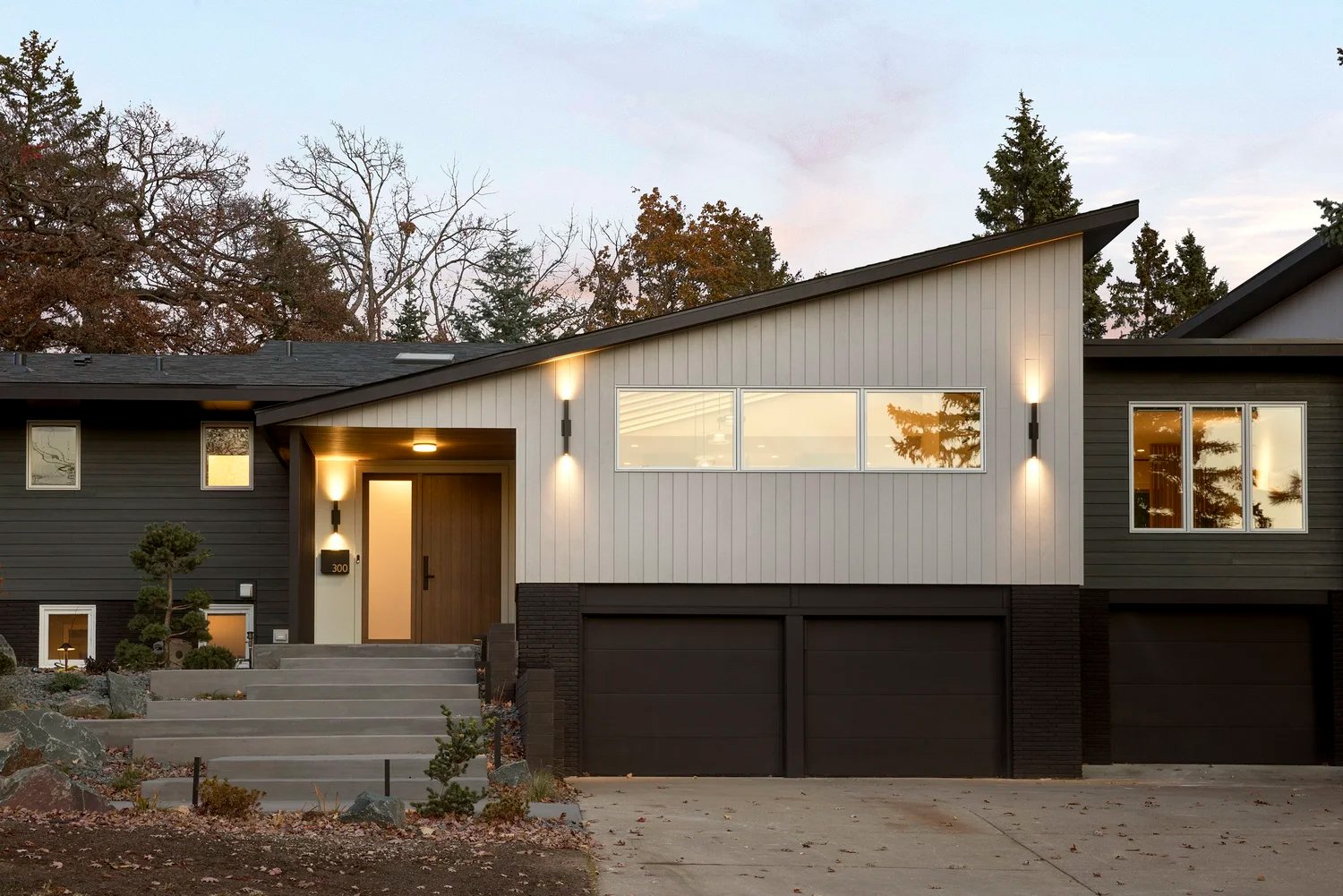
There's a moment in the late afternoon when the sun drops low enough to pour through a west-facing window at just the right angle, and an otherwise ordinary room becomes something else entirely. The wall color glows, the wood grain deepens, and shadows fall soft and long across the floor. Nothing in the room has changed, and yet everything about the way it feels has shifted.
That's the power of light, and it's one of the most underestimated forces in home design.
When most people think about lighting, they think about fixtures. They think about pendant styles over an island, or whether to do recessed cans or sconces in a hallway. Those decisions matter, of course, but they're only one part of a much larger conversation. Truly great architectural lighting considers how light moves through a space across the entire day and how that movement shapes the way a home feels to live in.
Light As Architecture
Before we choose a single fixture, light is already hard at work in the home. The placement of windows, the orientation of a home, the height of ceilings, and even the finish on floors affect how natural light enters and travels through a space. Natural light design is instrumental to every home, so it should be a primary focus, not just something you tack onto your design later.
At Stockwell Homes, we think about light the way we think about material flow. Illumination is something that connects rooms, creates a sense of security in the home, and supports the emotional experience of moving through a home. A well-placed window frames the day and the view, marking the passage of time. A view of your neighborhood anchors you to the world outside in a way no fixture ever could.
When we're working through a design, we ask questions like: Where does the morning light fall? Which rooms benefit from softer northern exposure? Is there an opportunity to borrow light from an adjacent space? They're structural decisions that shape everything that follows for us, not just afterthoughts because we've fallen in love with a pretty pendant.
The Emotional Weight of Natural Light
There's a growing body of research confirming what most of us already know instinctively: the quality and quantity of natural light in our homes affects how we feel. It influences mood, energy, focus, and even impacts the quality of sleep. Homes flooded with natural light design tend to feel more generous, more connected, and more alive.
Whenever possible, orienting a primary living space toward the east or west can be such a meaningful choice. Morning light in a kitchen or breakfast nook has a particular quality that feels bright, clean, and uplifting, which sets the tone for the day. Evening light in a sitting room or dining space creates a warm and inviting glow. These are deliberate design choices, not happy accidents.
Conversely, a home that doesn't prioritize natural light can feel dim or disconnected, even when it's technically well-furnished. No amount of overhead lighting fully compensates for the absence of daylight. And that's not a shortcoming in the fixtures. It's a design problem that needs to be addressed at a foundational level.
Layers of Light: A Framework for Every Room
Once we've considered natural light, the next step is building intentional home lighting layers that work with, not against, the light that's already there in the home.
We typically think in three layers.
Ambient light is the base. It provides general illumination that makes a space functional. Recessed fixtures, flush mounts, and indirect cove lighting all serve this purpose. The key is keeping ambient light soft and diffuse so it doesn't flatten the room.
Task lighting is targeted. It goes where focus is needed, like under cabinets in a kitchen, beside a bed, or above a desk or reading chair. Good task lighting reduces eye strain and helps each area of a room serve its intended purpose without over-illuminating the whole space.
Accent lighting is the layer most often overlooked, and often the one that matters most for atmosphere. It highlights architecture, draws attention to texture, and creates depth. A wash of light across a stone wall, a picture light above an artwork, the glow from inside a built-in bookcase – these moments of accent light are what give a room its character after dark.
The goal is to move through these layers so that we can adjust lighting for mood depending on time of day, activity, and those who spend the most time in any given room. A dining space that feels energized at breakfast should be able to soften into something intimate by evening. That flexibility doesn't happen on its own. That's where we step in.
Dimmer Switches and the Overlooked Details
One of the simplest and most impactful changes in any home: put everything on dimmers. It sounds obvious, but it's still one of the most commonly skipped steps. Fixed-output lighting removes all flexibility. Dimming capability gives you back control over the atmosphere at any moment of the day.
Equally important is color temperature. Warm light (in the 2700–3000K range) feels cozy and residential. Cooler light (4000K and above) reads as more clinical and alert. Most homes benefit from warmer tones in living and sleeping spaces, with slightly brighter temperatures in kitchens and bathrooms where accurate color rendering matters. Mixing temperatures without intention creates visual dissonance that's hard to articulate but immediately felt.
Light as a Daily Experience
The homes that feel best to live in aren't necessarily the ones with the most dramatic architecture or the most expensive finishes. They're the ones where the light is right. Where the morning sun greets your loved ones and makes you feel safe, where the lamp beside your chair casts just enough glow to finish a good book, where the dimmed pendants and the last bit of evening sky coming through the window all work together to make your house feel like a sanctuary? That's when you know the lighting is perfect.
At Stockwell Homes, we build that feeling from the very beginning. A home that's designed with light in mind is a home that works harder to make you and your loved ones feel safe and secure every single hour of the day.
Interested in designing a home where light is as intentional as every other detail? Let's talk about how we approach illumination from the ground up.