
Bringing the Outdoors In: Biophilic Design at Home
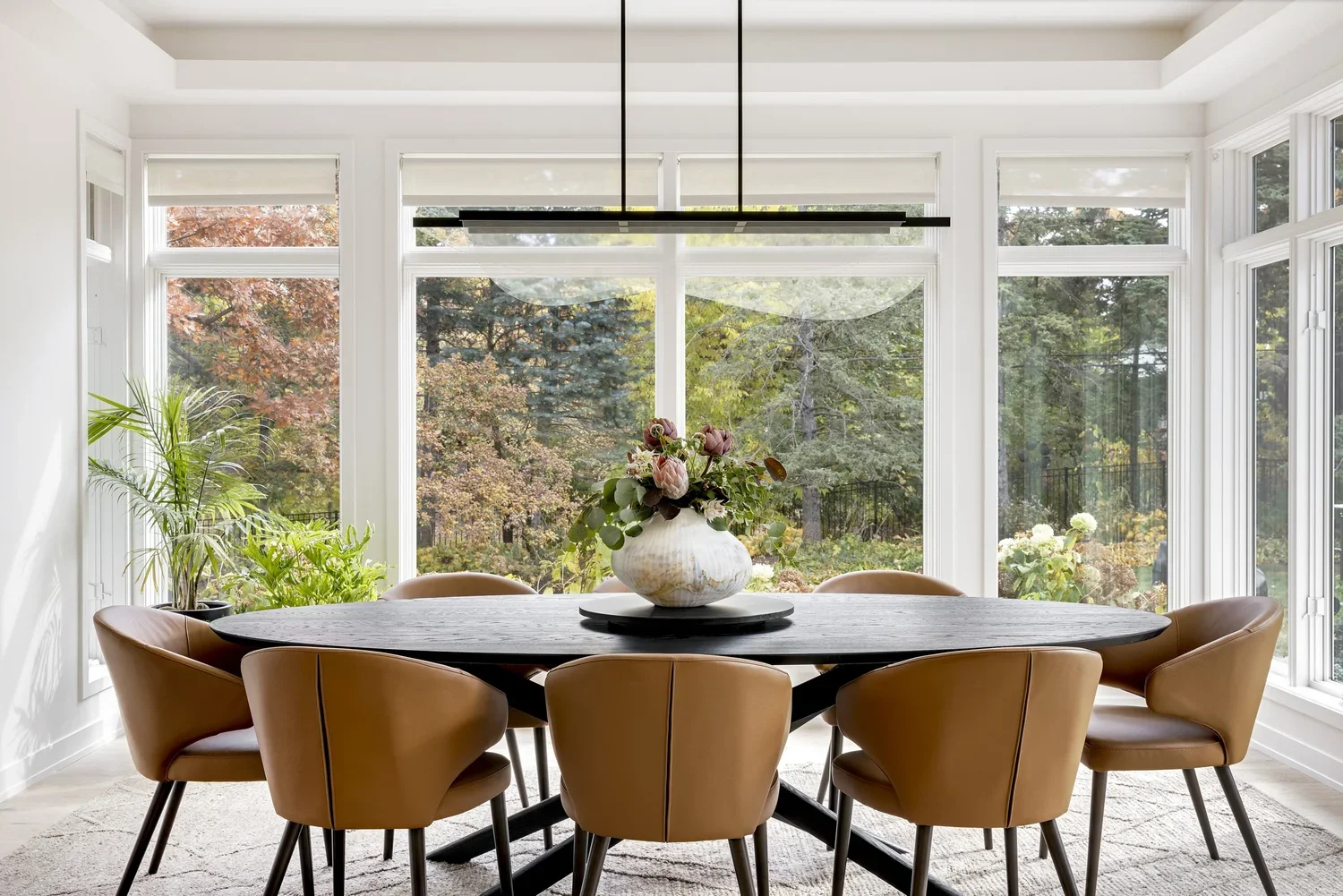
There's a reason a room filled with natural light helps you breathe easier, and why fresh flowers on your dining table make a space feel more alive. We're drawn to the natural world in ways that go deeper than aesthetics, and biophilic design is the practice of honoring that connection within our homes.
Contrary to popular belief, biophilic design isn't a trend, and you don't need a greenhouse to get it right. At its core, biophilic design is about homes that acknowledge our relationship with nature, weaving in the elements, textures, patterns, and light conditions that make our nervous systems feel safe.
Why It Matters More Than Ever
Most of us spend the majority of our time indoors, and that disconnect from the natural world has real-life consequences. Research has consistently shown that exposure to natural elements, even simulated or referenced ones, can lower stress, improve focus, and support overall well-being. The home, as both a sanctuary and a daily environment, is one of the most meaningful places to mind the gap.
This is especially true for the homes we design here in Minnesota, where winter months can keep us inside for long stretches. Creating interiors that bring nature indoors becomes less of a design choice and more of a necessity when the end goal is a home that supports the people living in it.
Natural Light as a Starting Point
The most powerful biophilic element available to any home is also the most overlooked: daylight. Before anything else, we think about how natural light moves through a space, where it lands in the morning, and how it shifts through the day. Lighting shapes the character of a room as much as any material or furnishing decision.
When we're working on a renovation, maximizing natural light often means reconsidering window placement, swapping solid doors for glass-paneled ones, or removing walls blocking light from reaching interior spaces. But don't worry. Sometimes the solution is as simple as choosing lighter window treatments that let daylight filter through, cutting it off entirely.
Bringing Daylight Deeper Into the Home
Skylights, solar tubes, and clerestory windows are all effective tools for pulling natural light into the rooms that need it most. A dark hallway, windowless bathroom, or gloomy, lower-level family room are candidates for a more thoughtful approach to light. The goal isn't brightness for its own sake, but the quality of light that makes a space feel connected to the time of day and the world outside.
Materials That Reference the Natural World
One of the most direct ways to bring nature into a home is the materials you choose. Wood, stone, linen, wool, leather, rattan, and other natural materials carry an inherent warmth and variation that manufactured materials can rarely, if ever, replicate. They age differently, they feel different, and they remind us of our inherent connection to nature.
In our projects, we often use wood in ways that let its natural character show: open grain, knots, variation in tone. Our choices do double duty as material and as part of your design story, connecting a home to something older and more permanent than the moment it was built.
Texture and Pattern Inspired by Nature
Beyond your material choices, textures play an important role in biophilic interiors. Natural environments are layered and varied. Nature doesn't contain flawless, uniform surfaces, so our eyes and hands respond to complexity in a way that smooth, flat, manufactured surfaces simply don't satisfy.
Incorporating woven textiles, textured wallcoverings, rough-hewn wood, or handmade ceramics introduces that natural variation into a home without requiring a single plant. Organic elements create what designers call sensory richness, the quality of a space that rewards close attention and makes you want to physically interact with your environment.
Plants as Living Design Elements
Of course, actual plants remain one of the most immediate and effective biophilic tools available. They introduce movement, color, oxygen, and a touch of life into a room that no object can replicate. But the key is treating them as design elements instead of afterthoughts, choosing varieties that suit the light conditions of a given space, and giving them room to be seen rather than tucking them into corners where they struggle.
A large-scale fiddle leaf fig in a well-lit corner, a cluster of potted herbs on a kitchen windowsill, trailing pothos on a high shelf, or a statement monstera beside a reading chair all introduce a living quality to an interior that shifts slowly with the seasons. For clients who aren't confident plant caretakers, we often recommend low-maintenance varieties that still bring presence and texture without demanding constant attention. (Pet parents, take note of toxic and non-toxic plants before you commit to your must-have plants. The ASPCA's database is a helpful tool!)
Water and Sound
Biophilic design also considers sound. Running water in the form of a small indoor fountain or even a feature wall with a recirculating water element introduces the kind of ambient sound that many people find deeply calming. In an urban environment, especially, layering in the sound of water can do the heavy lifting in making a home feel removed from the noise outside.
Views and the Connection to the Outside
One of the most straightforward expressions of biophilic design is simply honoring the view. If a home has a yard, a garden, a tree line, or even a small planted terrace, how we place windows and arrange furniture should acknowledge that. We orient seating toward natural views wherever we can, frame windows like pieces of living art, and design outdoor spaces that feel like genuine extensions of the interior rather than separate areas you have to decide to visit.
When the interior and exterior feel continuous, even across a threshold, a home starts to feel more connected. That sense of openness is at the heart of what biophilic design is really after: spaces that remind us that we're part of something larger than four walls.
If you're thinking about a renovation and want to explore how biophilic principles might shape your home, we'd love to start that conversation. Reach out to the Stockwell Homes team, and let's talk about what's possible.