
The Modern Kitchen: Balancing Beauty and Utility
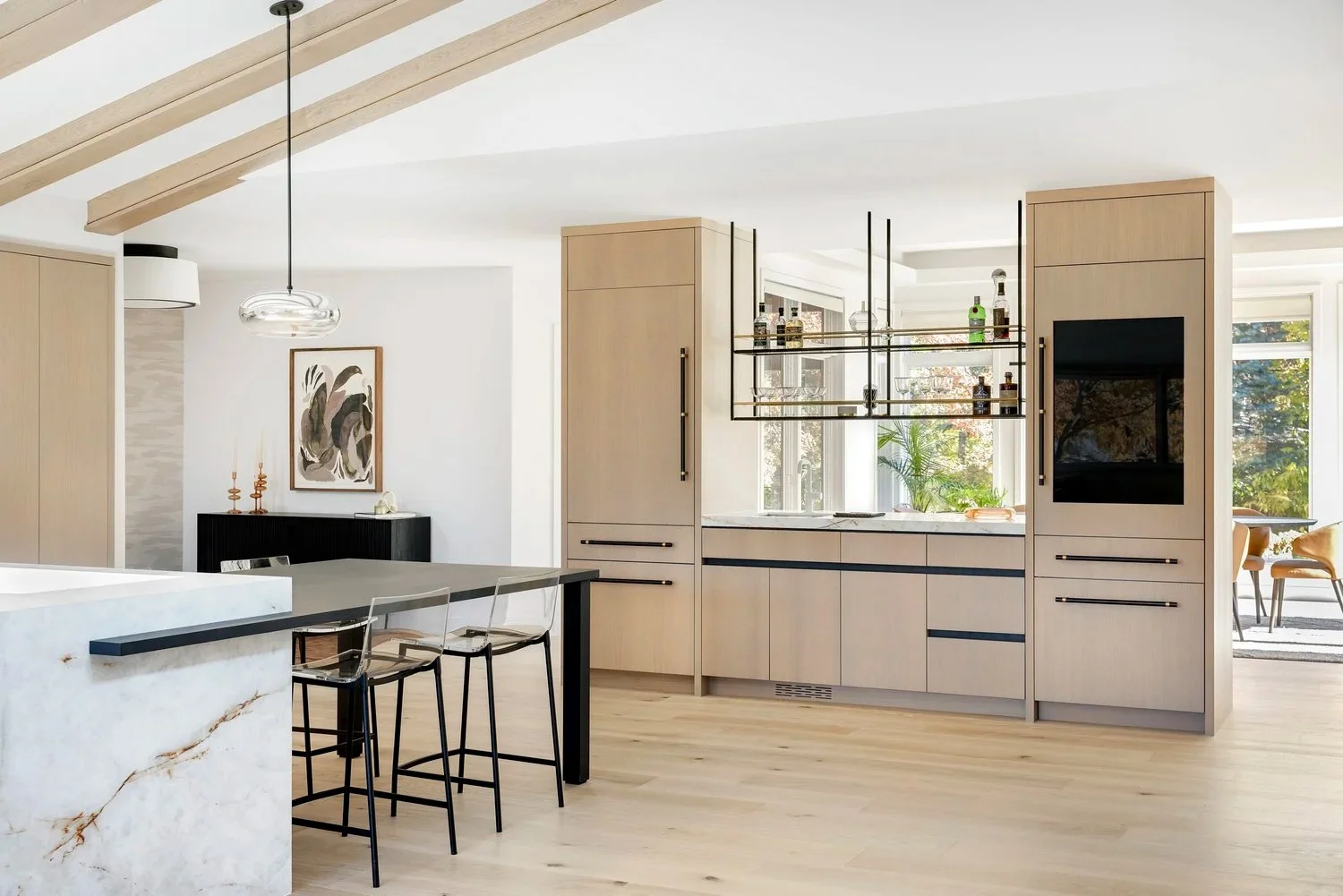
The kitchen is the one room in a home that works harder than any other. From hosting breakfast rushes and holiday dinners to homework at the counter and wine with friends after the kids are asleep, no other space is asked to do quite so many things at once. Designing for a workhorse of a space like the kitchen takes more than a good eye. It also takes a clear sense of how beauty and function support each other so much more than they compete.
At Stockwell Homes, we've never believed those two goals are in conflict. A kitchen that looks stunning but frustrates the person cooking in it hasn't actually succeeded, no matter how well it photographs. The best kitchens we've built are the ones where every beautiful detail also functions the way it's meant to, and where every functional decision still contributes to the overall feel of the room.
Start with How People Actually Cook
Before we talk finishes or fixtures, we talk about habits. Does this family cook every night, or do they lean on takeout and use the kitchen mostly for coffee and conversation? Is there a baker in the house who needs a dedicated prep zone and a spot for stand mixers within easy reach? Do two or more people often cook together, which changes how much clearance is needed between the island and the range?
These questions shape the bones of the kitchen long before anyone picks out a countertop or a faucet. A layout that ignores real habits will always feel ever-so-slightly wrong, even if no one can quite articulate why. A kitchen that's built around how a family actually moves through their day tends to disappear into the background in the best sense of the word.
Let the Work Triangle Evolve
The classic work triangle – that's design speak for the sink, stove, and refrigerator – is still a useful starting point, but modern kitchens rarely stop there. Coffee stations, beverage drawers, second sinks for prep, and dedicated zones for small appliances have all become part of how people actually use the space. We think of it less as a "triangle" now and more as a series of small, efficient zones, each one built around a specific task.
This is where beauty and utility really have the chance to merge. A butler's pantry tucked behind the main kitchen keeps small appliances and mess out of sight without sacrificing convenience. An island with seating on one side and prep space on the other lets homeowners host a crowd of friends and family while still functioning as a serious workspace. None of this happens by accident. Instead, all the zones come from mapping out daily rituals and designing around them instead of trying to reorganize your life based on your kitchen's disjointed layout.
Storage Should Be Invisible… Unless It Isn't
Good storage is one of the quiet luxuries of a well-designed kitchen. When it's done right, no one notices it because everything has its rightful place. Deep drawers for pots replace the old habit of stacking them in a lower cabinet. Vertical dividers keep sheet pans upright instead of sliding around. (Or tumbling out of a cabinet and bouncing off your shoulder, not that we'd know anything about that…) Corner cabinets use pull-out systems so that space stops being wasted.
We approach storage as part of the aesthetic, not an afterthought lackadaisically tacked on at the end. A wall of paneled cabinetry that hides a full pantry keeps the room looking clean and cohesive, while everything a cook needs stays easily within reach. This kind of storage takes more planning up front, but it's what allows a kitchen to stay beautiful even on a busy Tuesday night, when dishes are piling up, everyone is hangry, and dinner still needs to get on the table fast.
Finishes That Perform
In Minnesota, the finishes in a kitchen have to hold up to more than typical wear. Humidity in the summer months and frigid temperatures in the winter take a toll on materials that weren't built for this climate. That's part of why we lean toward quartzite and porcelain for high-traffic surfaces, since both resist humidity, scratching, and staining far better than softer stones. Matte and honed finishes have also become popular for good reason. They hide daily fingerprints and water spots far more gracefully than high-gloss surfaces do.
Hardware matters just as much. We often steer clients toward finishes rated for the harsh winters here, since standard brass or bronze can tarnish quickly when the climate turns from sweltering to below-freezing in the span of mere months. It's a thoughtful little detail that makes a massive difference over the years a family lives in a home.
Lighting as a Design Layer
Lighting in a modern kitchen needs to do double duty, providing enough clarity for prep work while still setting a mood for everything else that happens in the room. We typically layer several sources: recessed lighting for even coverage, pendants over the island for both task light and visual interest, and under cabinet lighting that makes countertops usable after dark.
The fixtures themselves also carry design weight. A pair of sculptural pendants can act almost like jewelry for the room, tying together the cabinetry, the countertop, and the overall palette. Lighting is one of the easiest places to introduce personality into a kitchen without disrupting its functionality.
The Goal Is Beauty That Holds Up to Real Life
The kitchens that age well are the ones built with a solid understanding of how they'll be used from day to day. A pale countertop that shows every water ring will eventually feel like a burden rather than a luxury. A pretty light fixture that doesn't provide enough task lighting will get swapped out within a year or two. True balance comes from choosing beauty that can survive contact with daily life.
That's the standard we hold every kitchen to at Stockwell Homes: not beauty just for the sake of Instagram #designinspo, but also not functionality stripped of all of its warmth. In the end, we want a kitchen that looks as good on a lazy weekend as it does the night of a dinner party, because it was always intended to support both.
Are you ready to upgrade your kitchen? We'd love to help. Get in touch, and a member of the Stockwell Homes team will get back to you soon.